Project

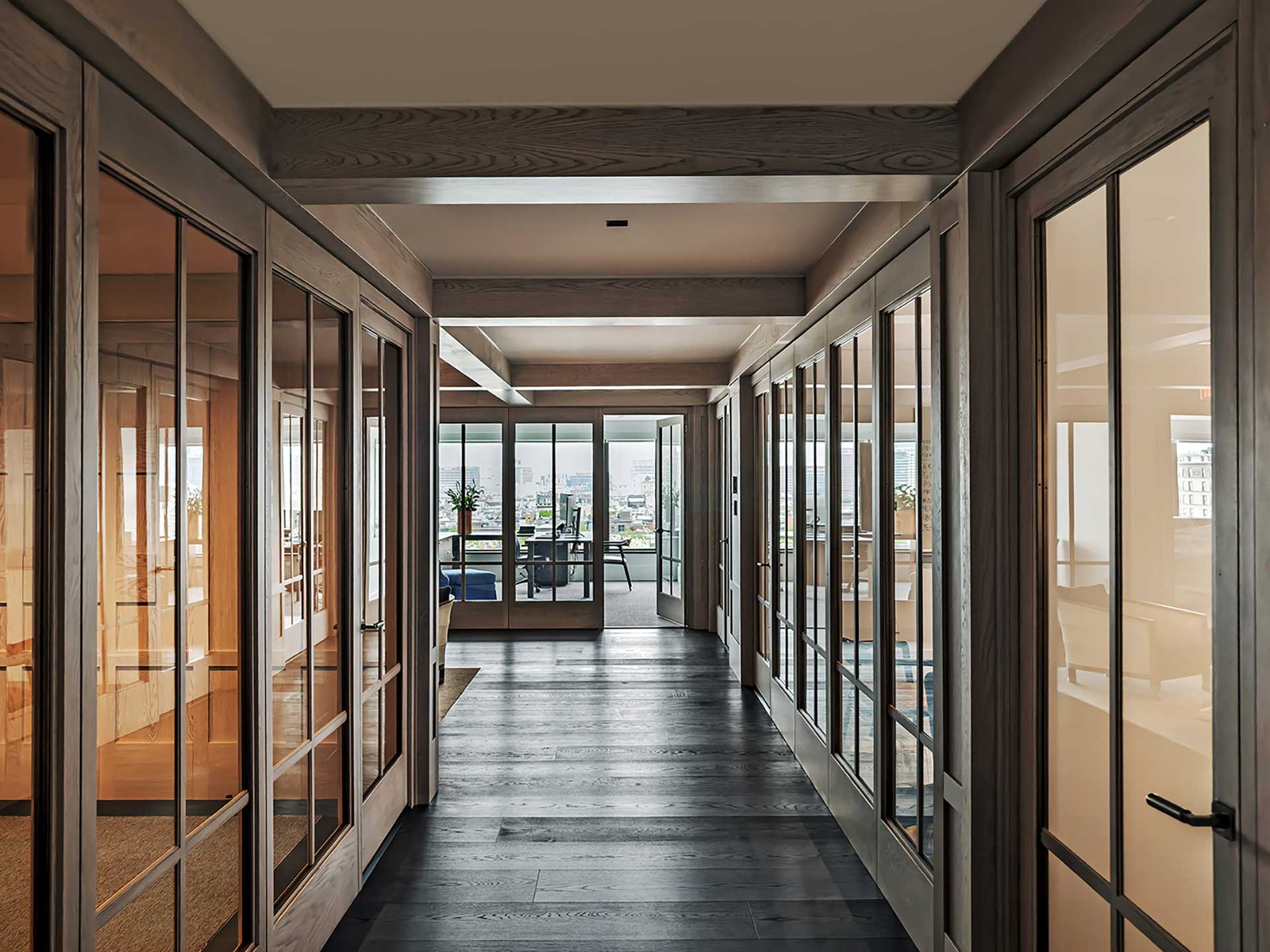
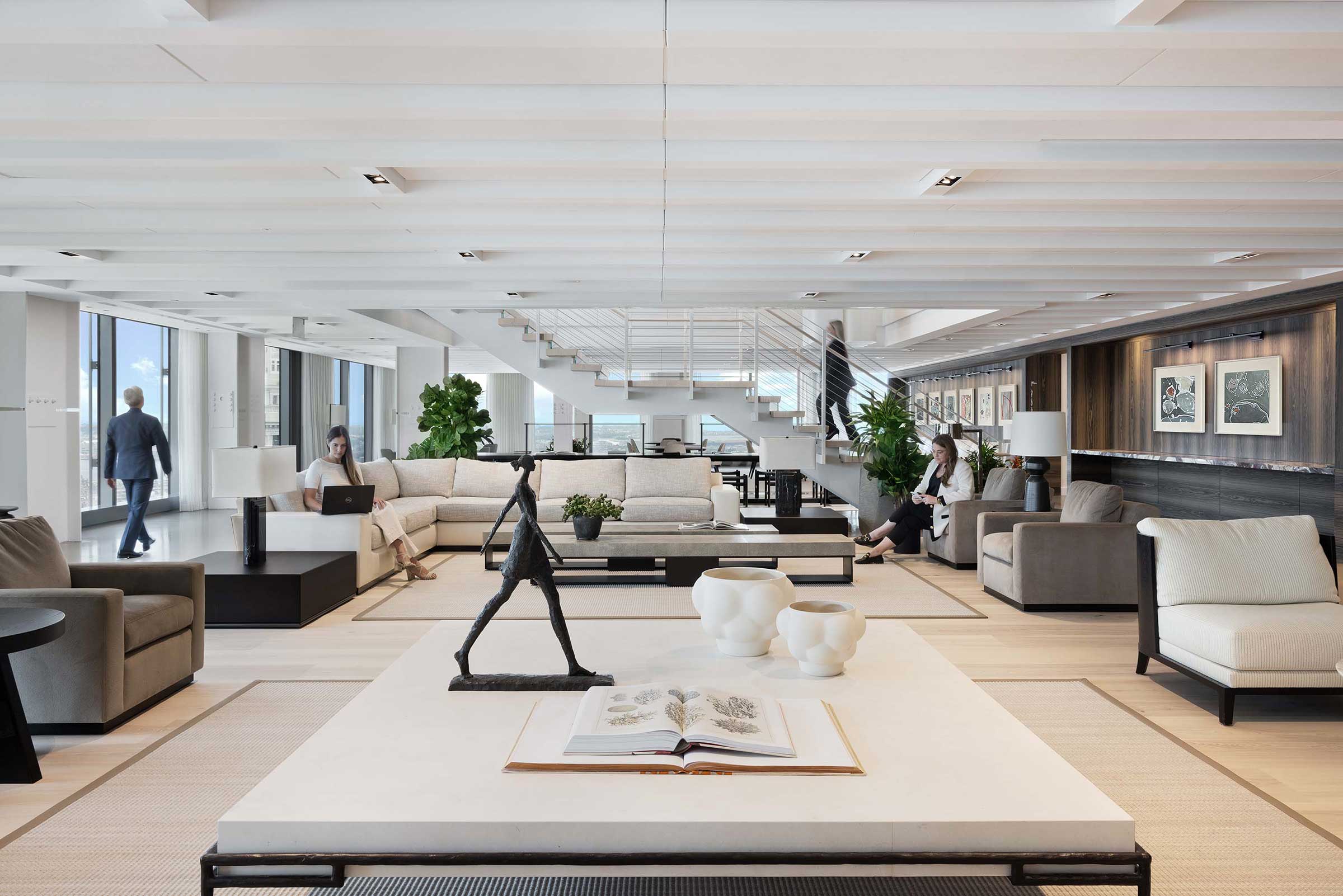
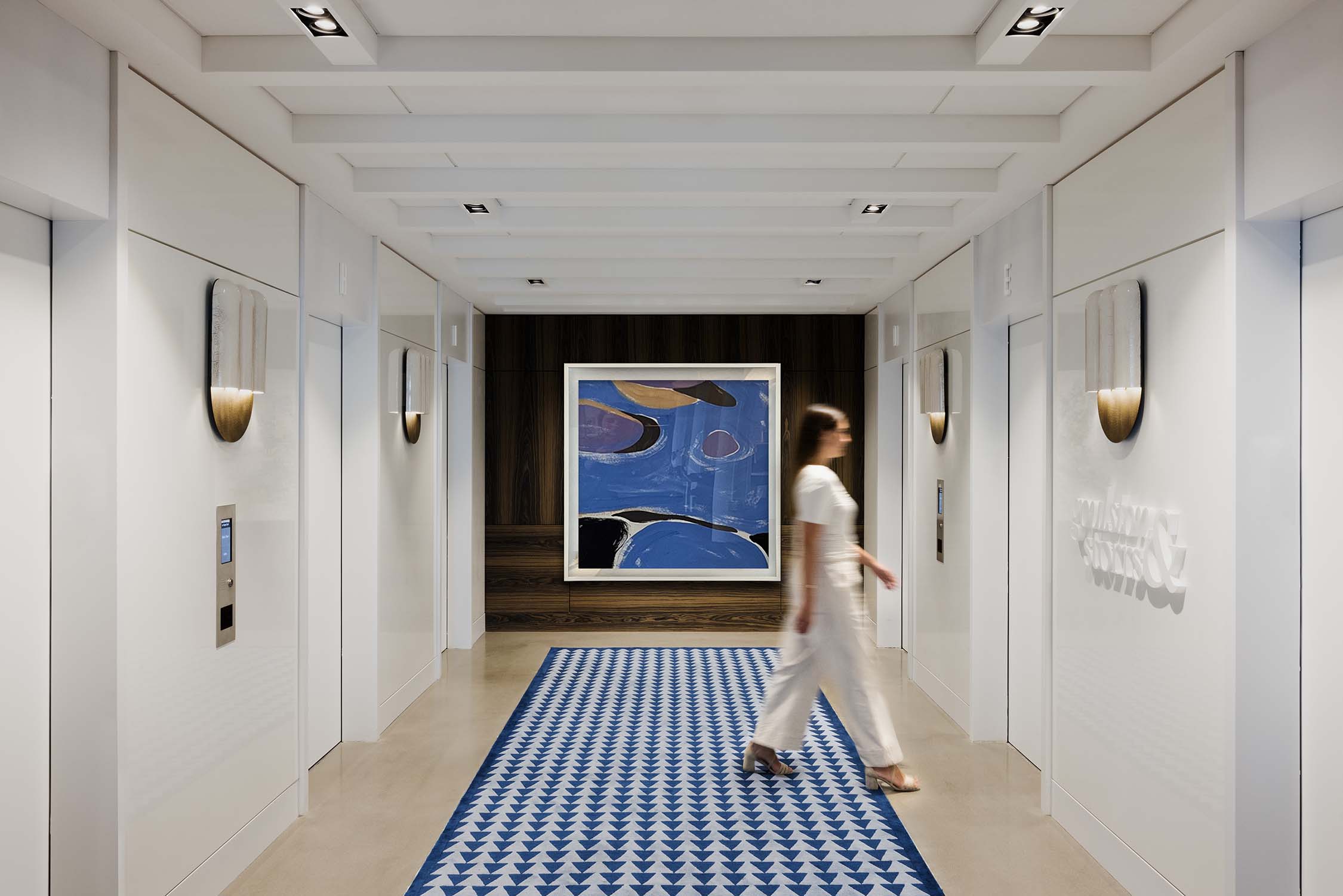
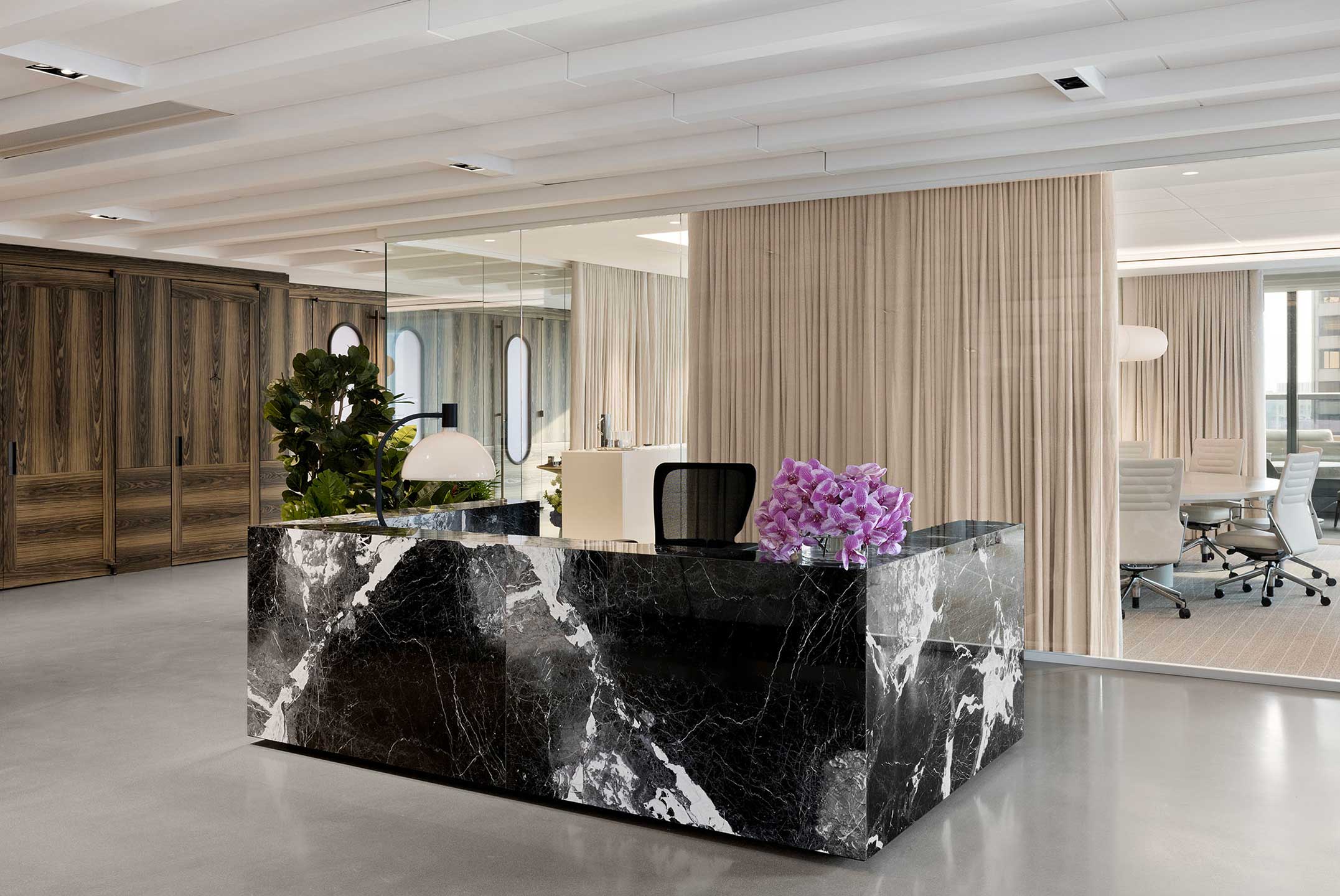
Third Rock Ventures

Third Rock Ventures

Boston, Massachusetts
Client: Third Rock Ventures

Project Information

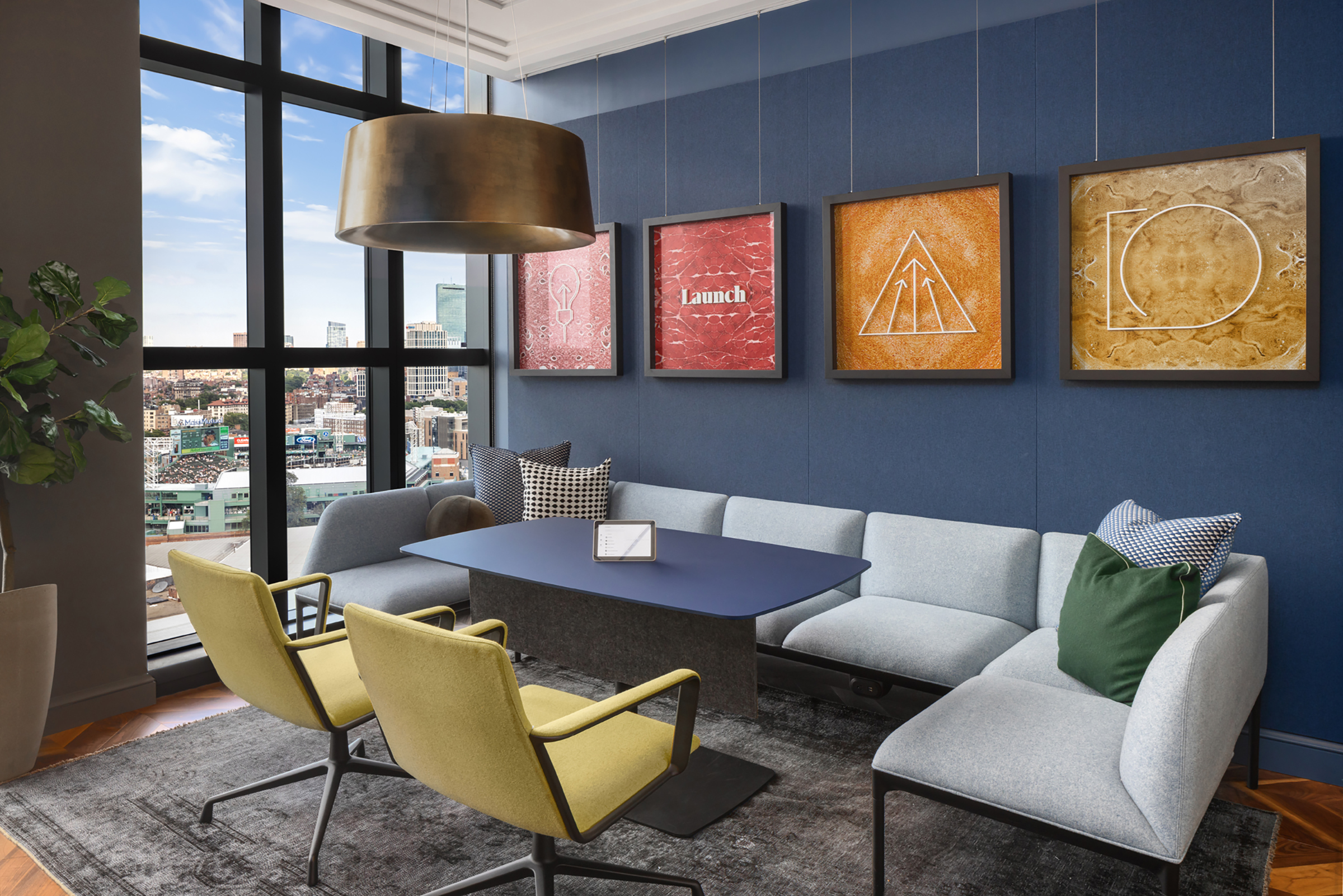
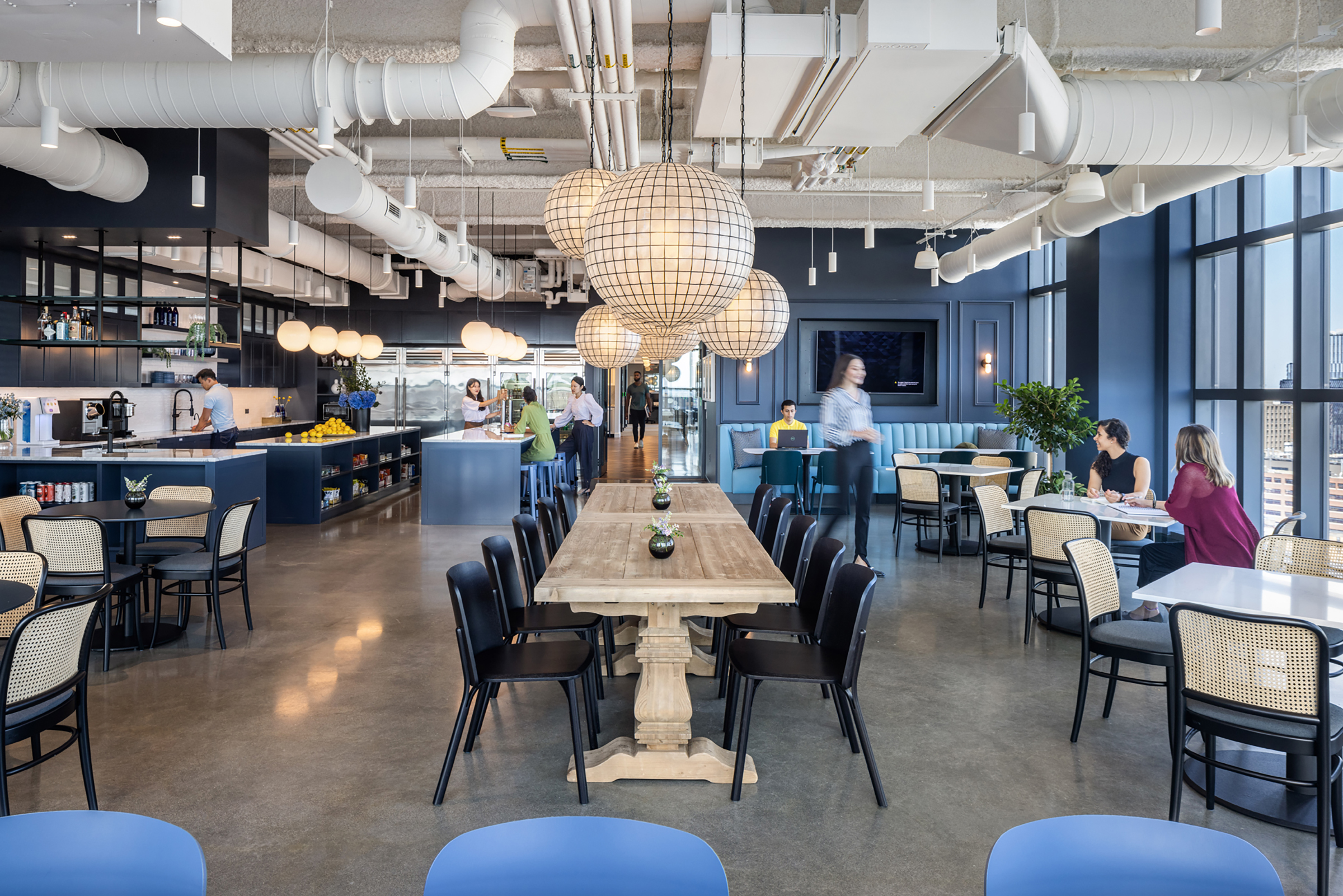
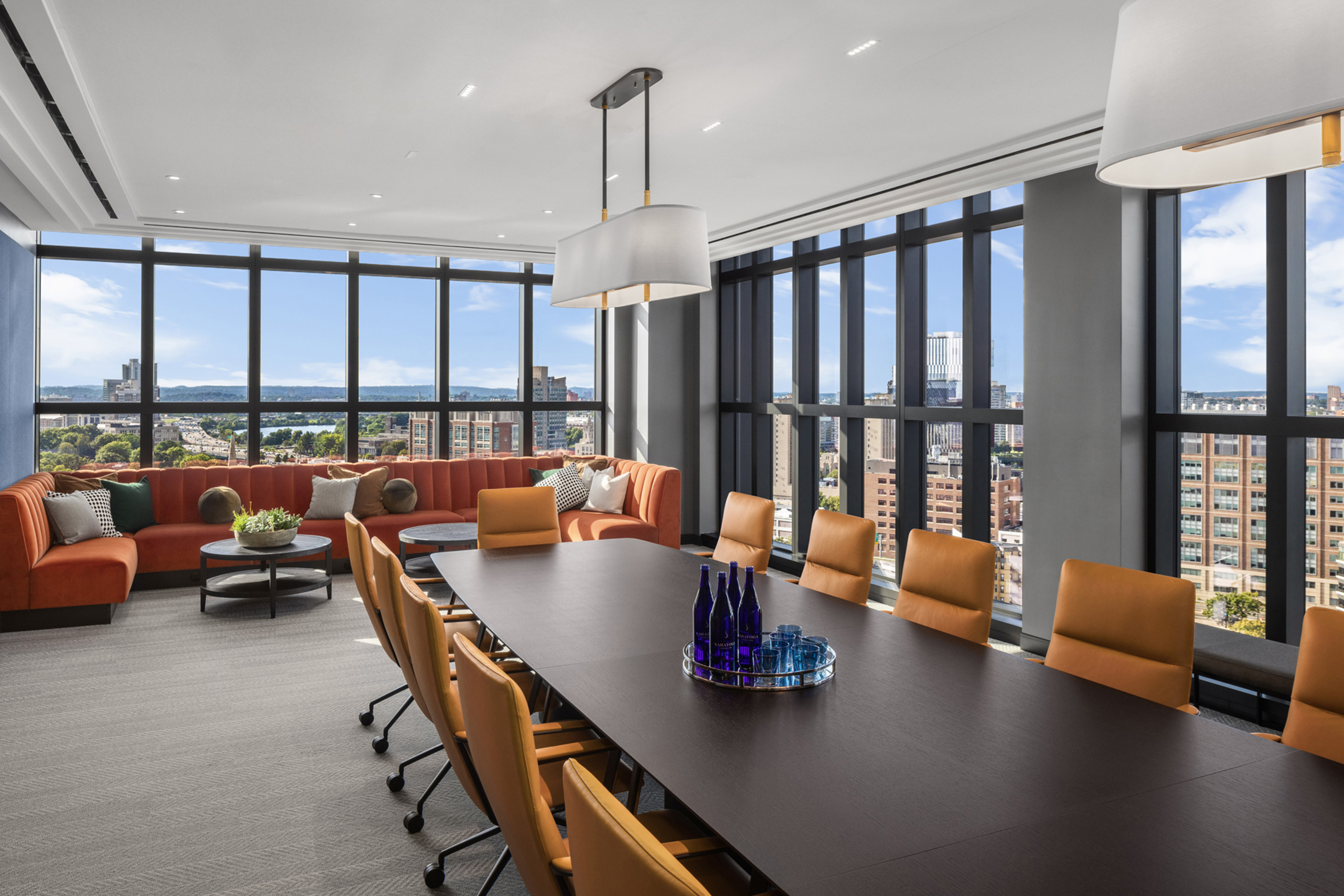
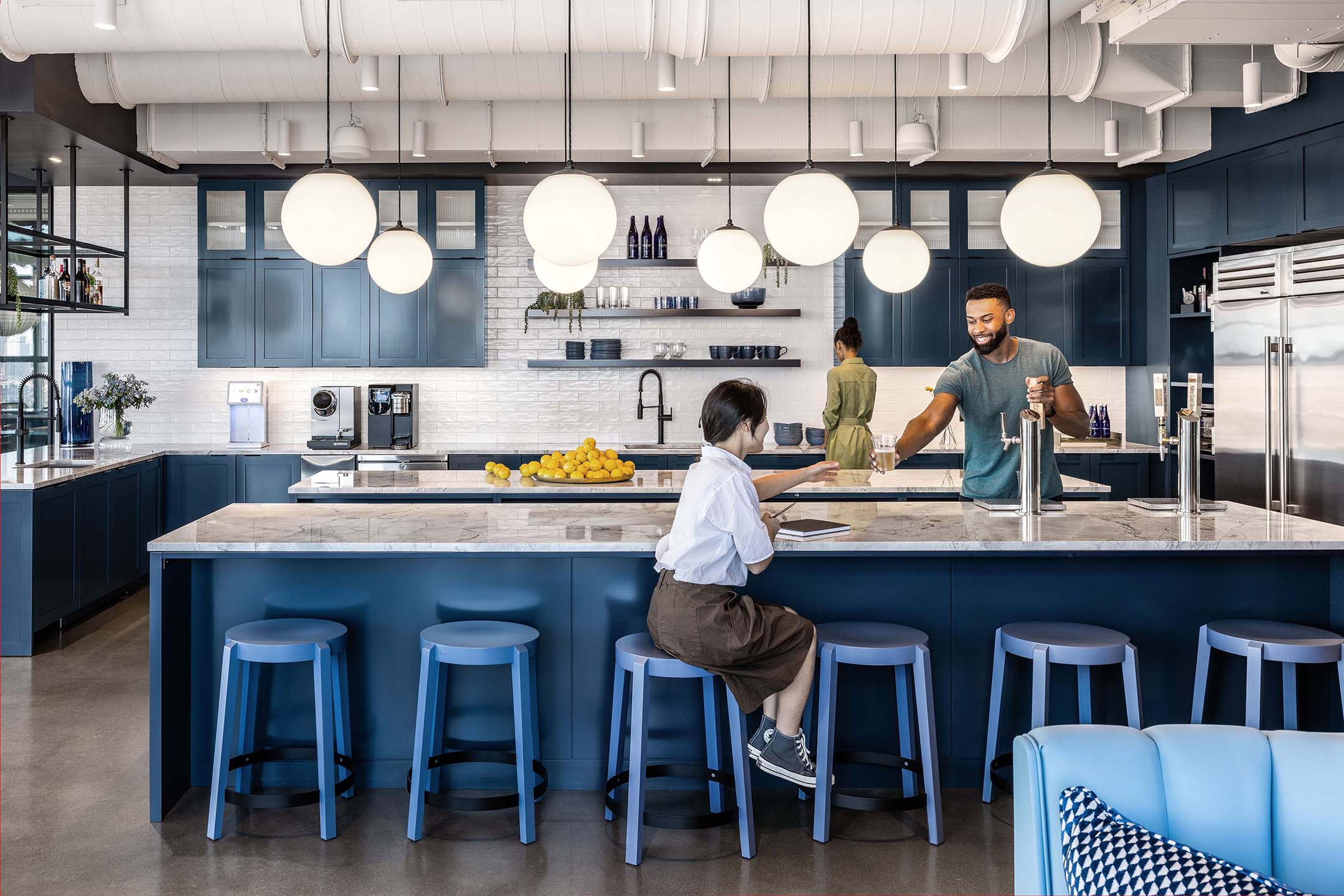
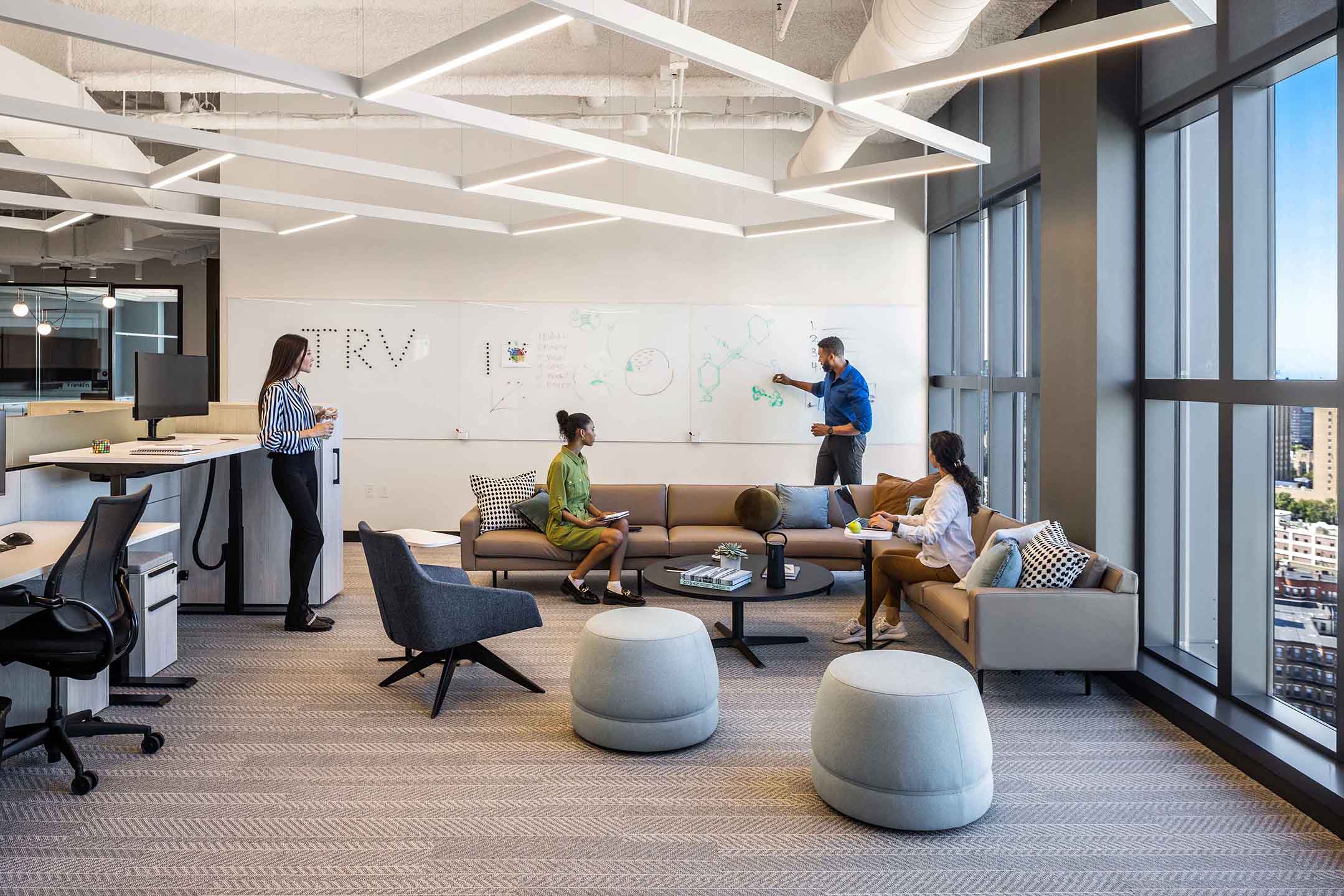
  • Third Rock Ventures, a leading healthcare venture capital firm, integrates scientific and medical innovation with business and operational acumen to build sustainable companies that are pioneering break-through medicines helping people all over the world.
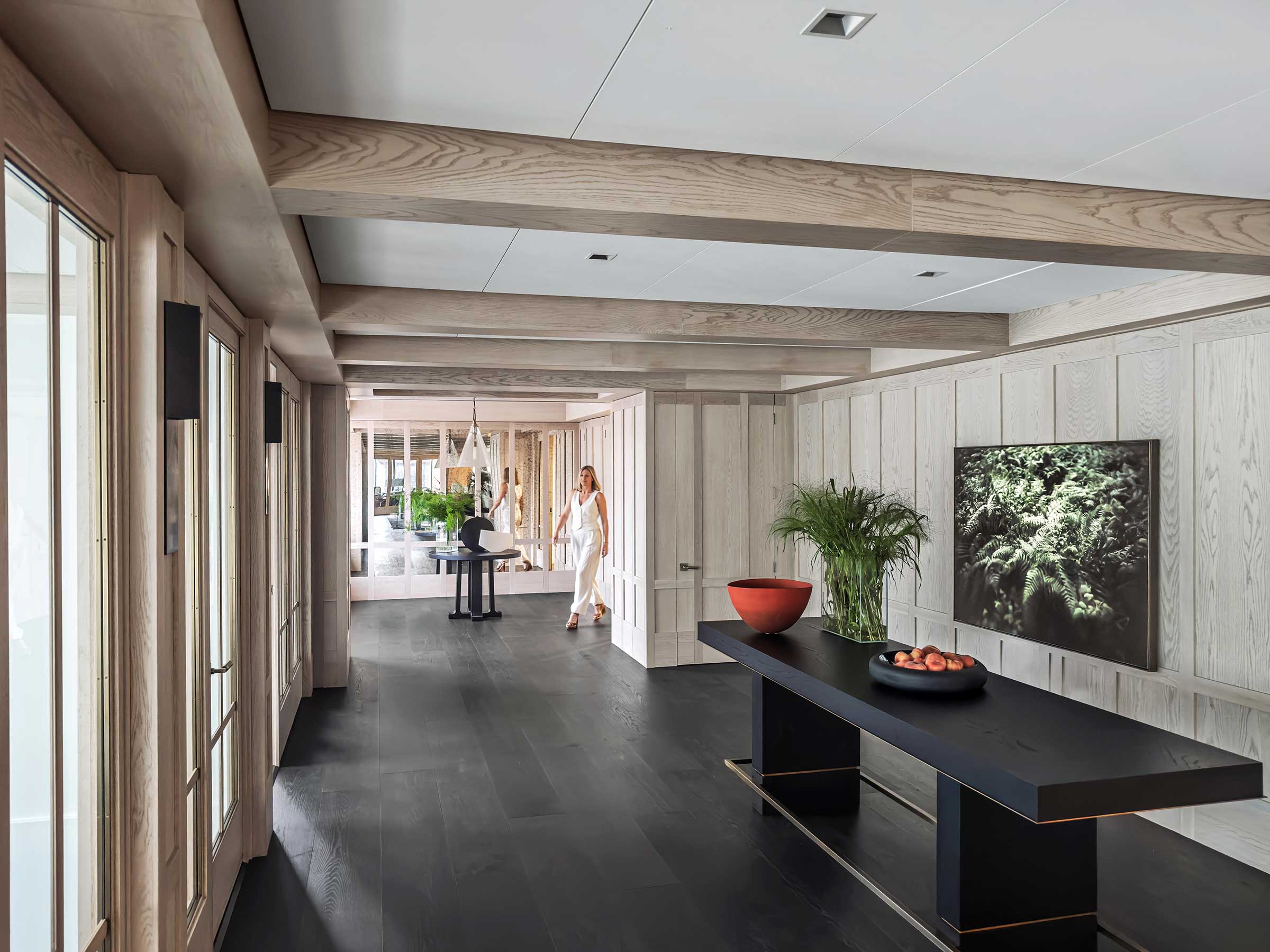
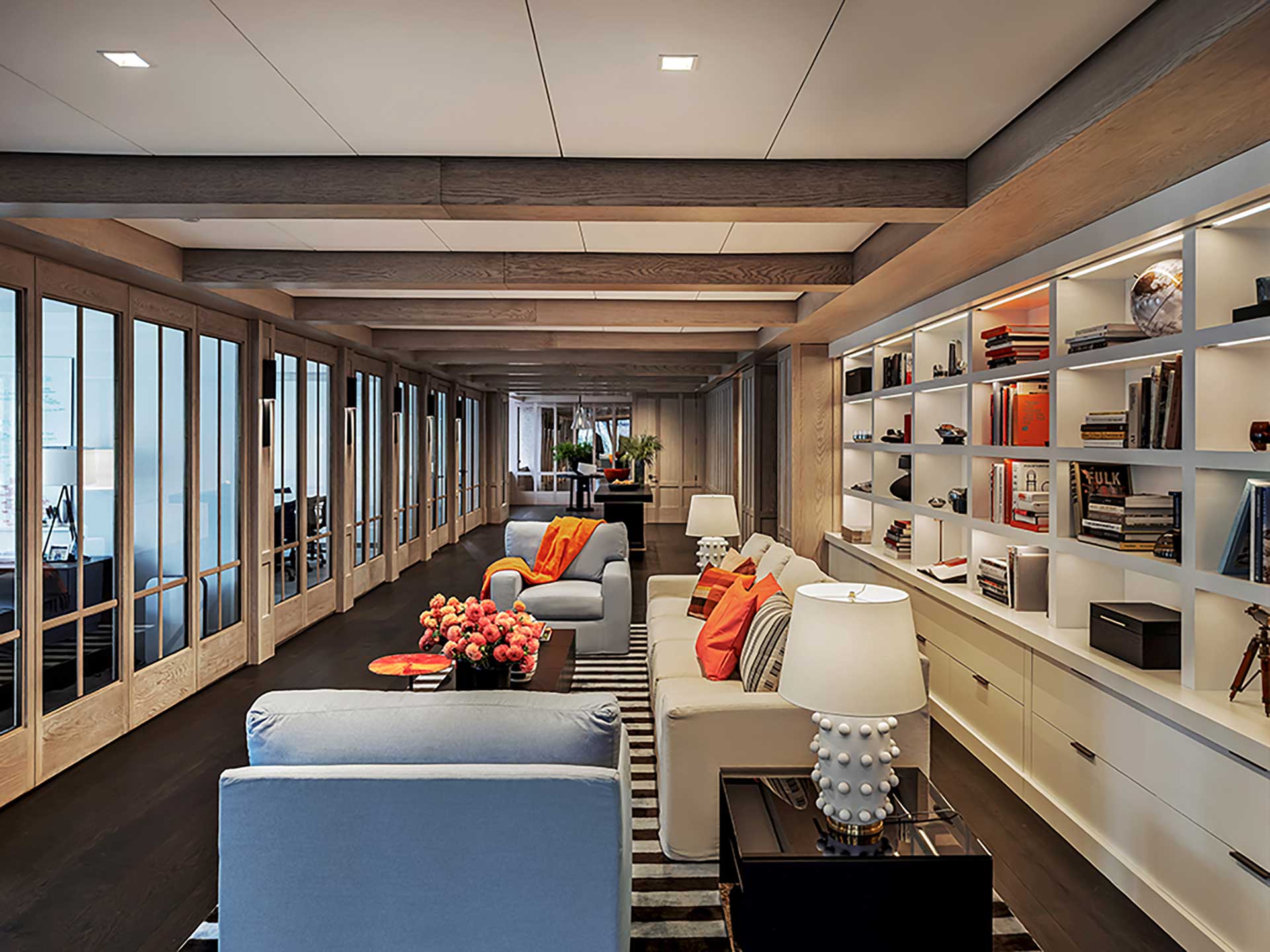
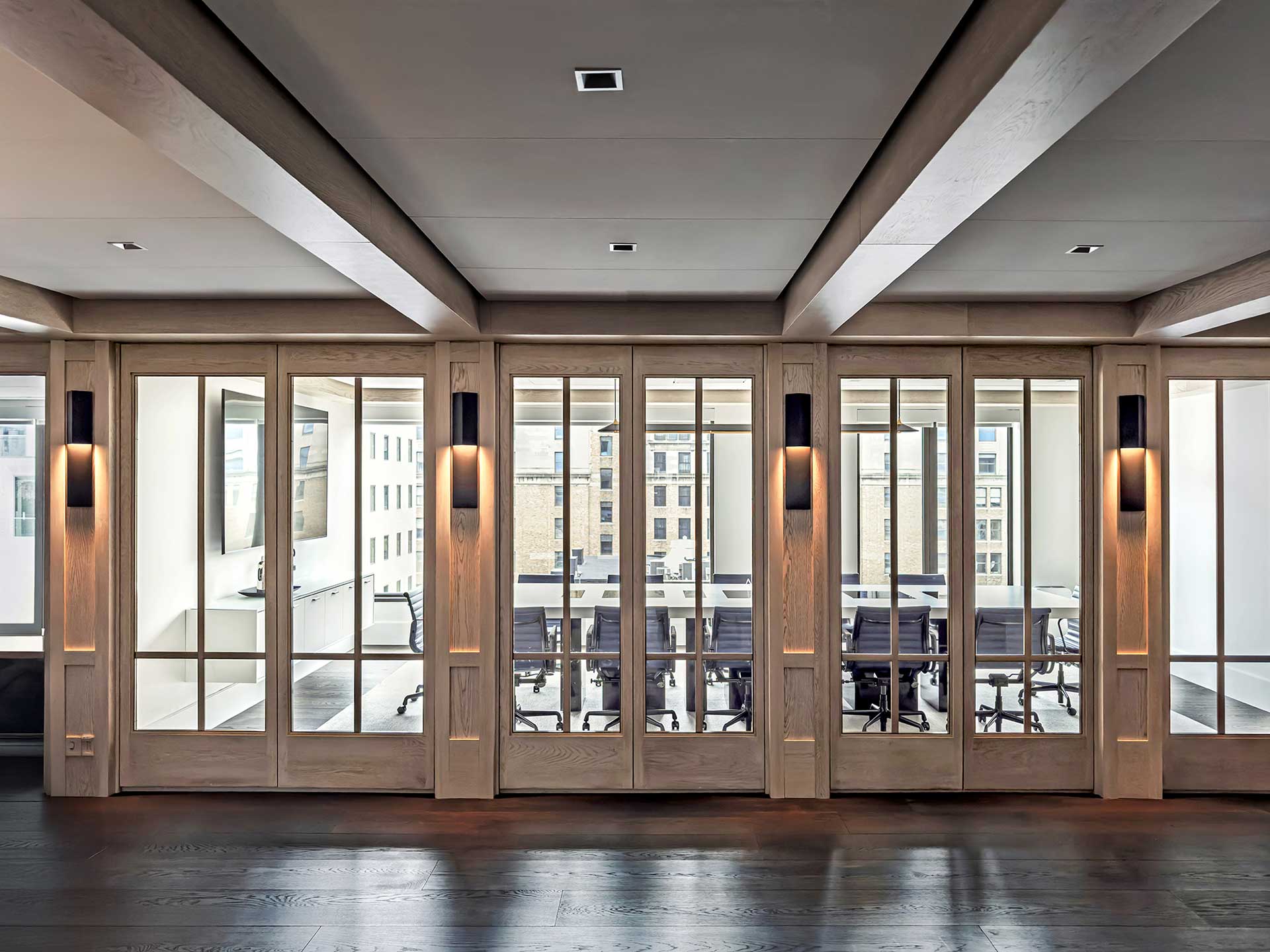
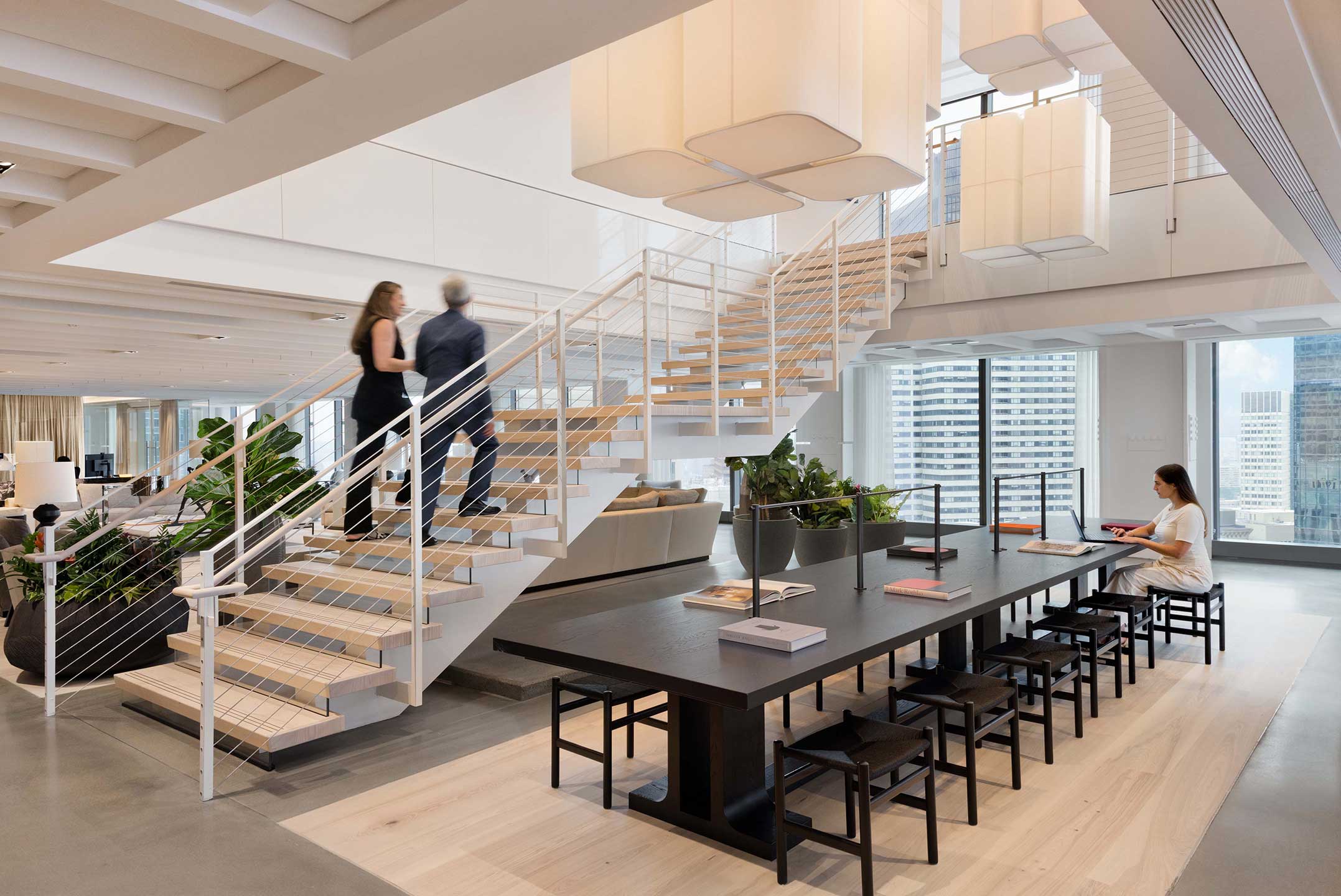
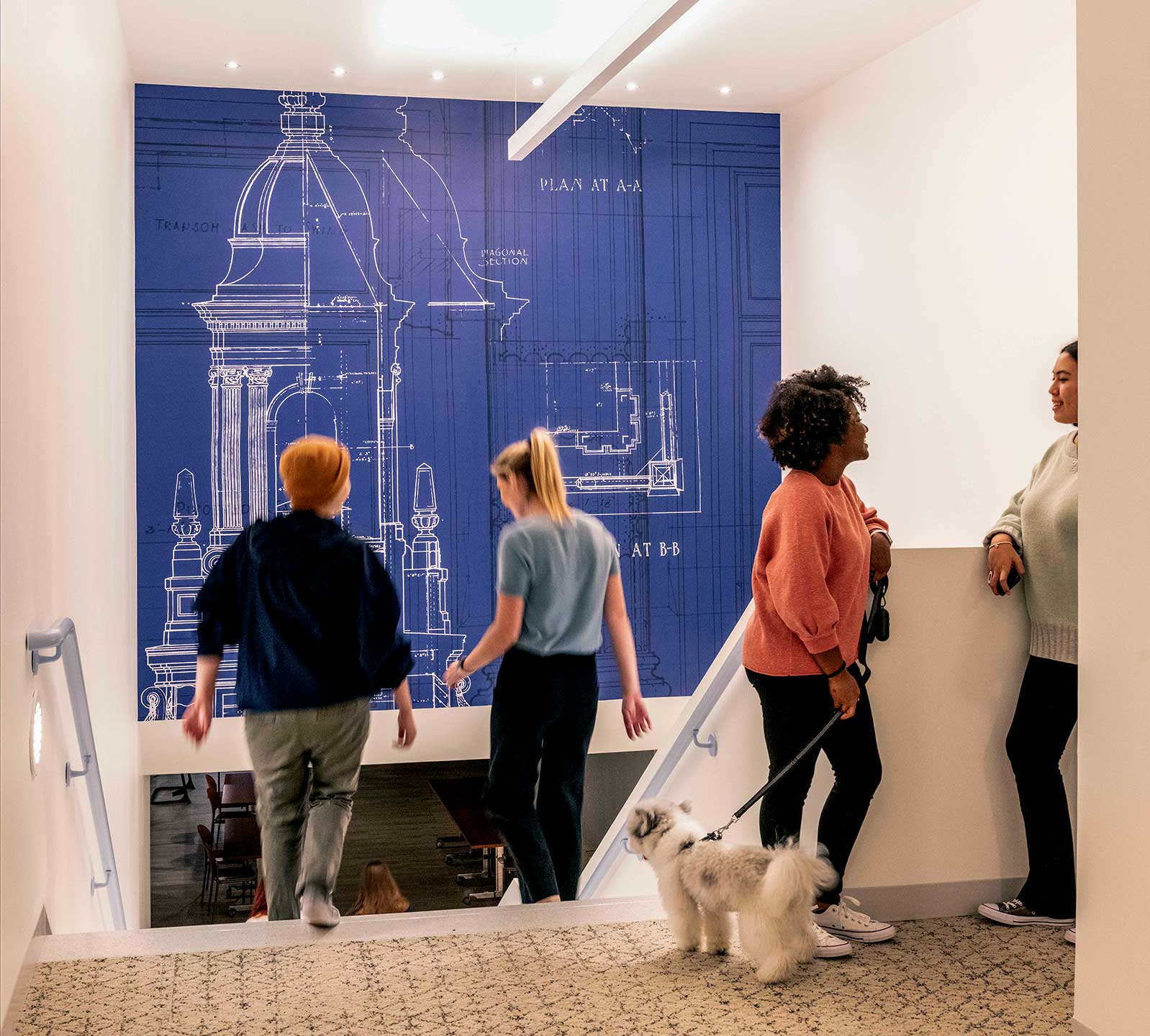
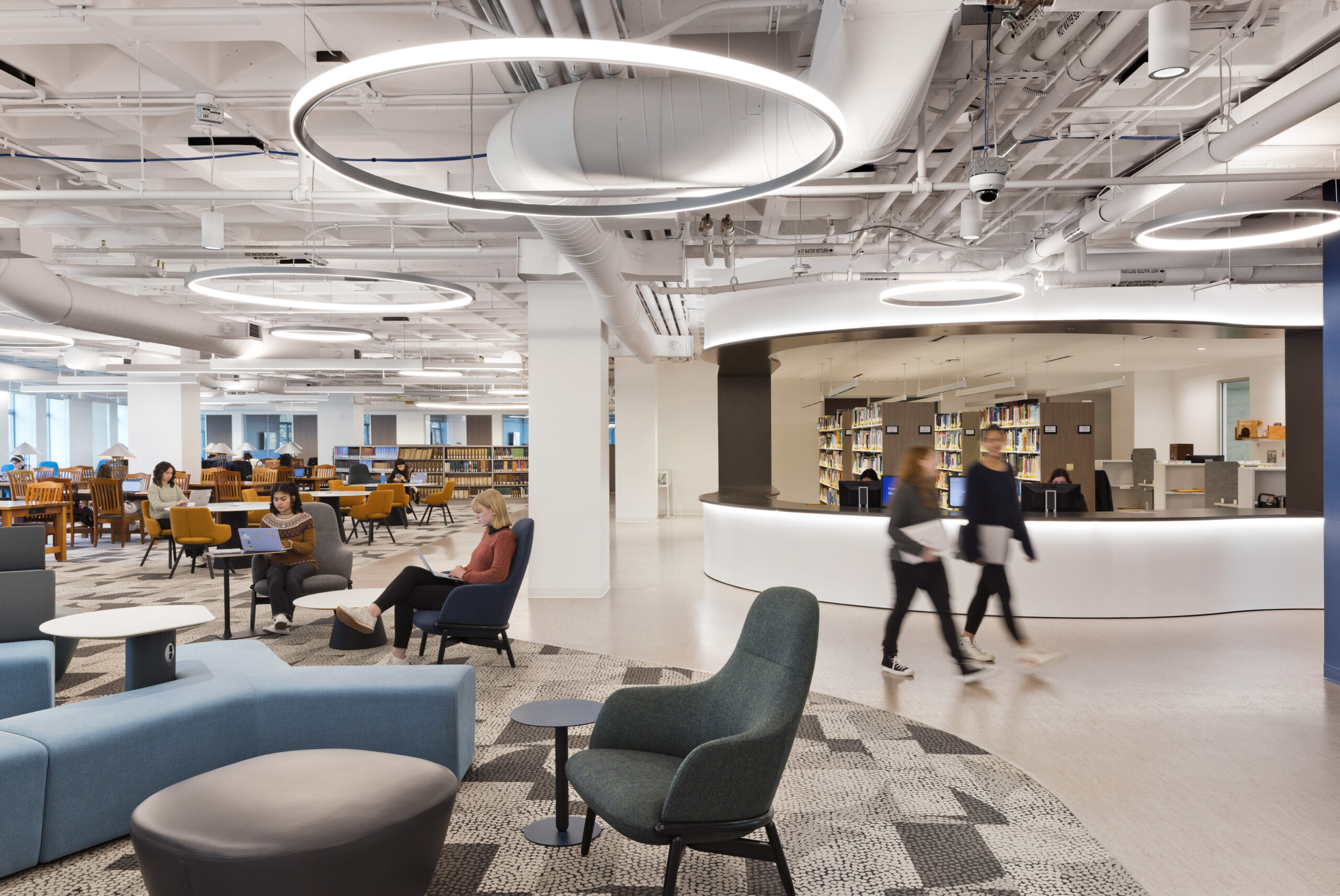
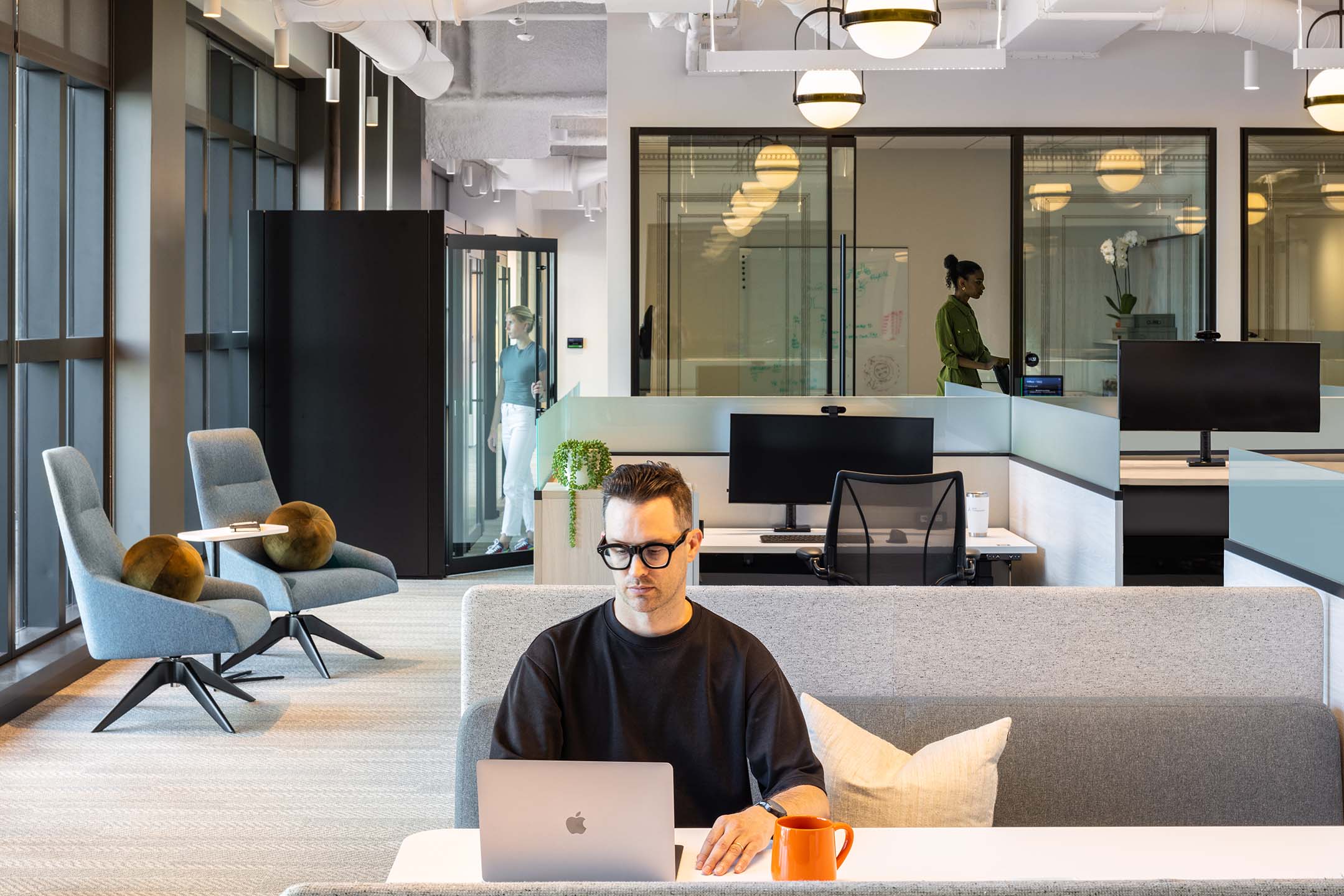
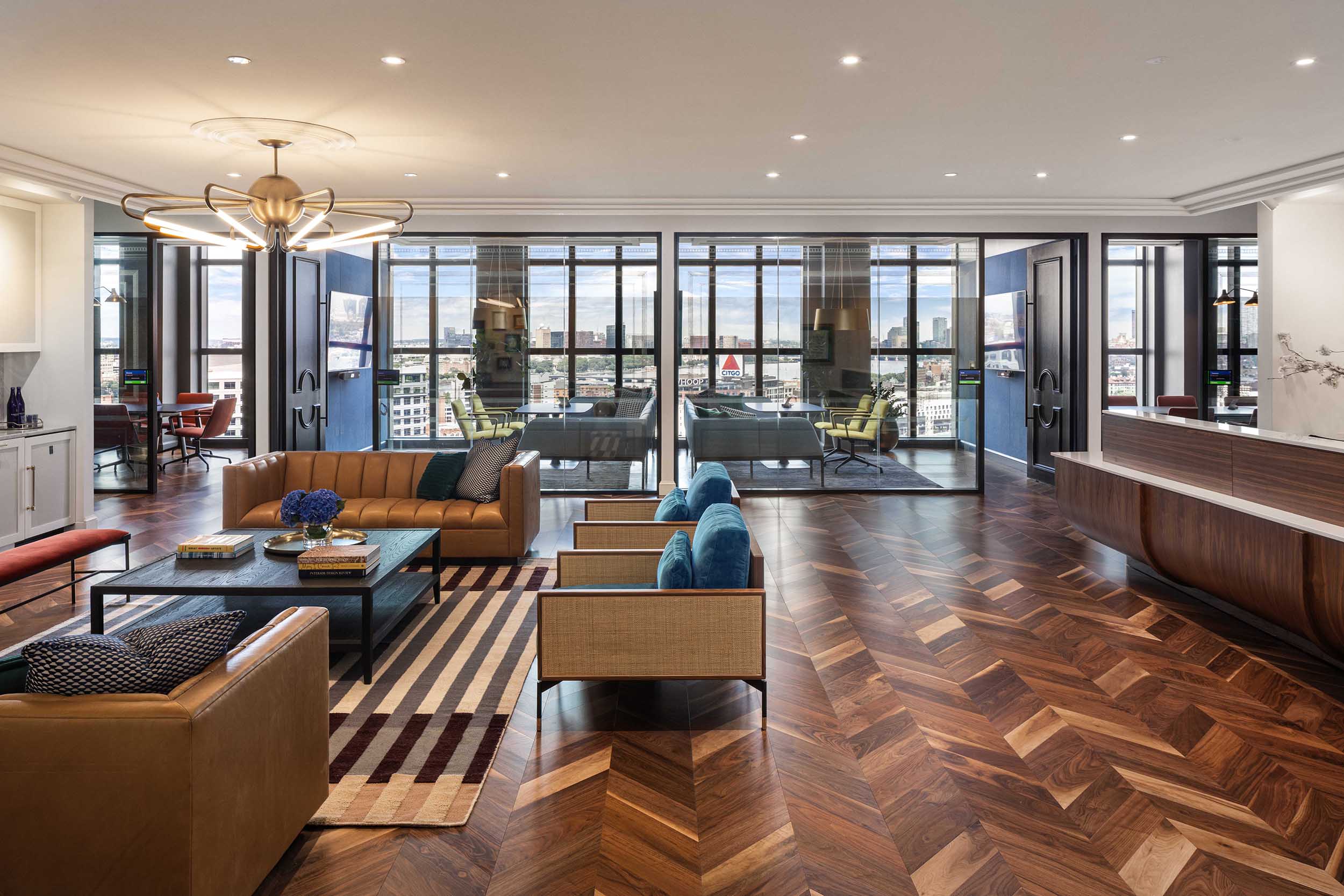
  • The design of Third Rock Venture’s new home seamlessly blends the story of their former historic Boston Back Bay office with the modern efficiency and industrial character of their new office at 201 Brookline Avenue.
  • Designers used multiple strategies to infuse the new space with a sense of the company’s origins, creating layers that add deeper dimension to the building’s contemporary proportions and materials using subtle cues to the past.
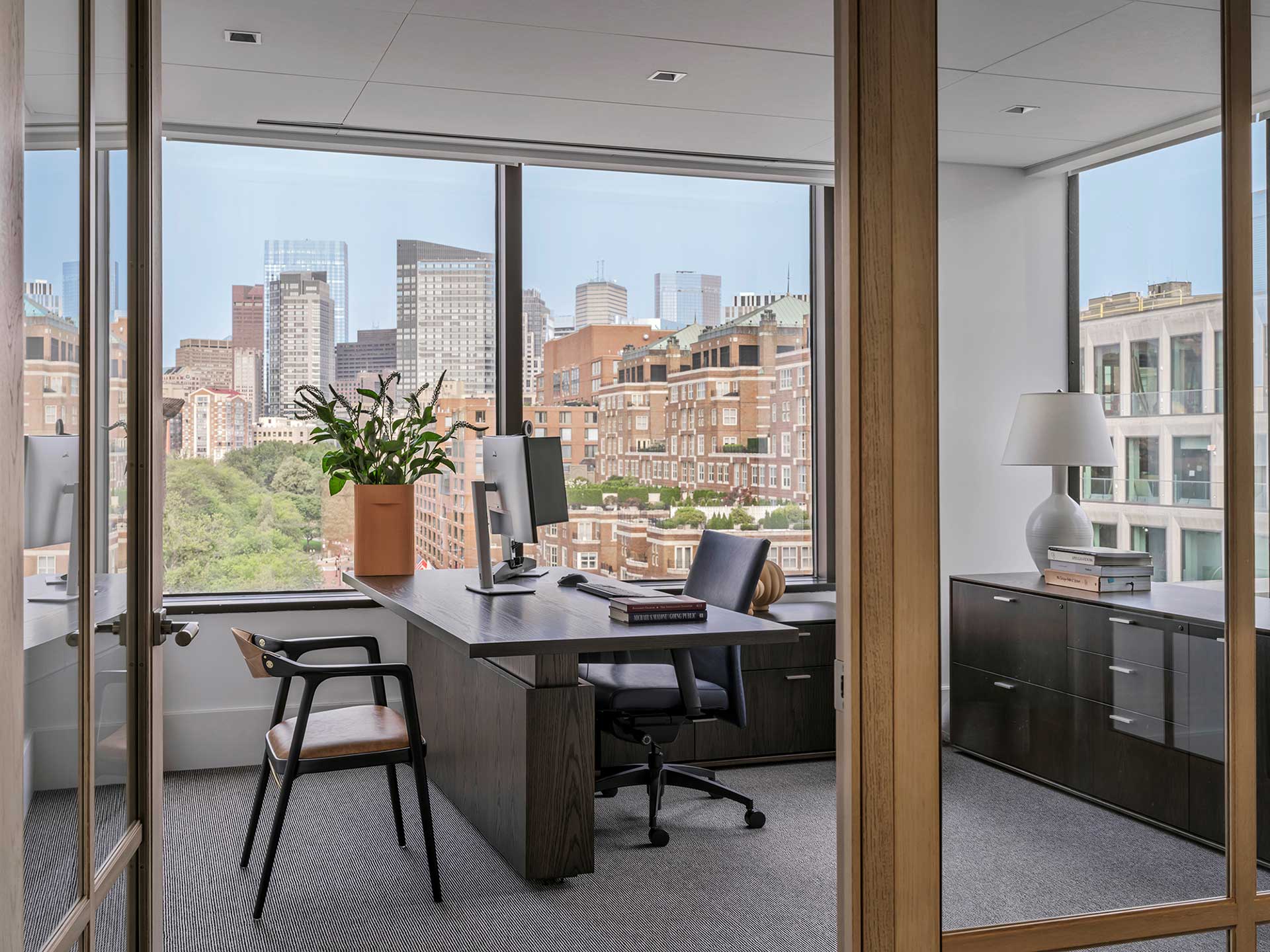
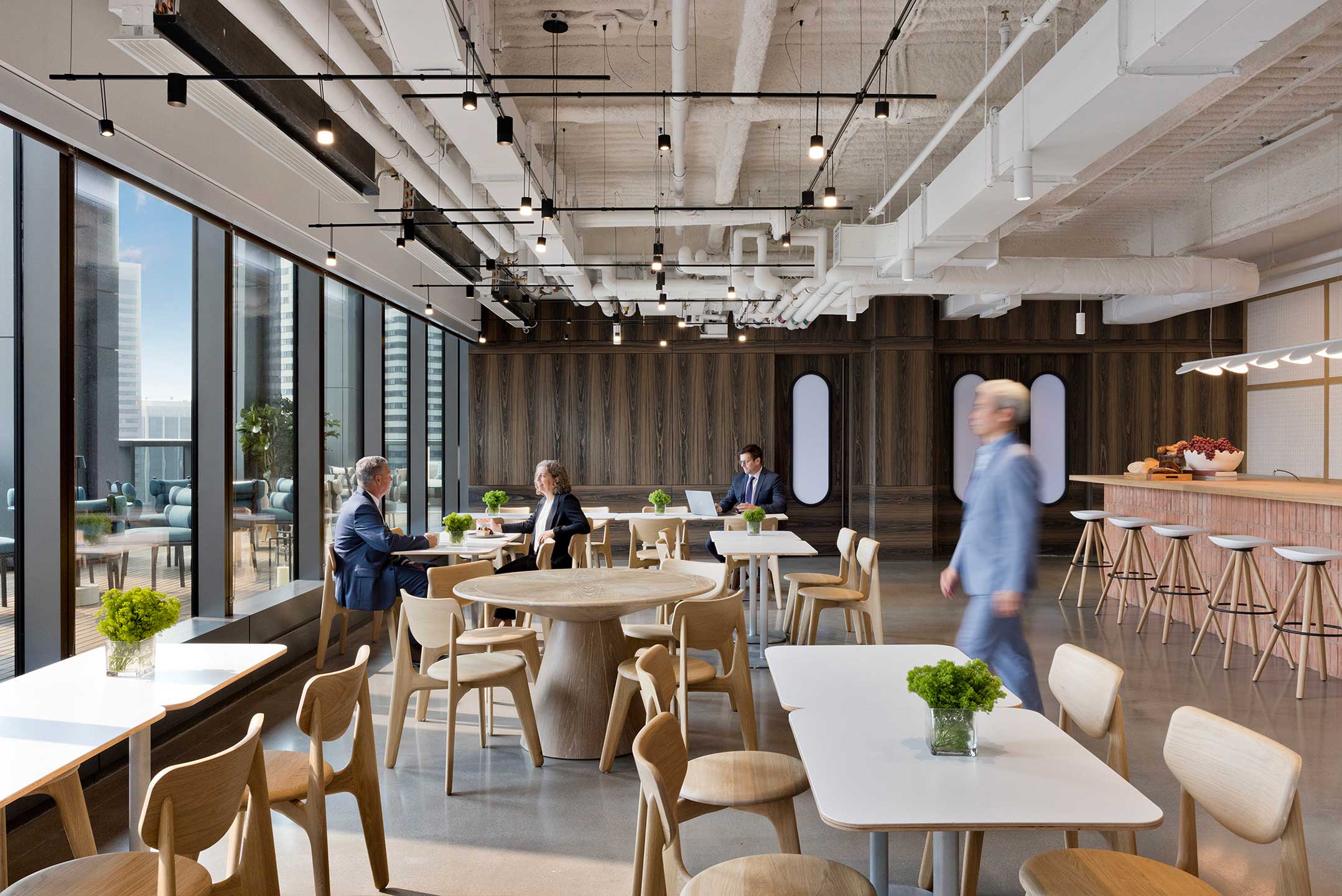
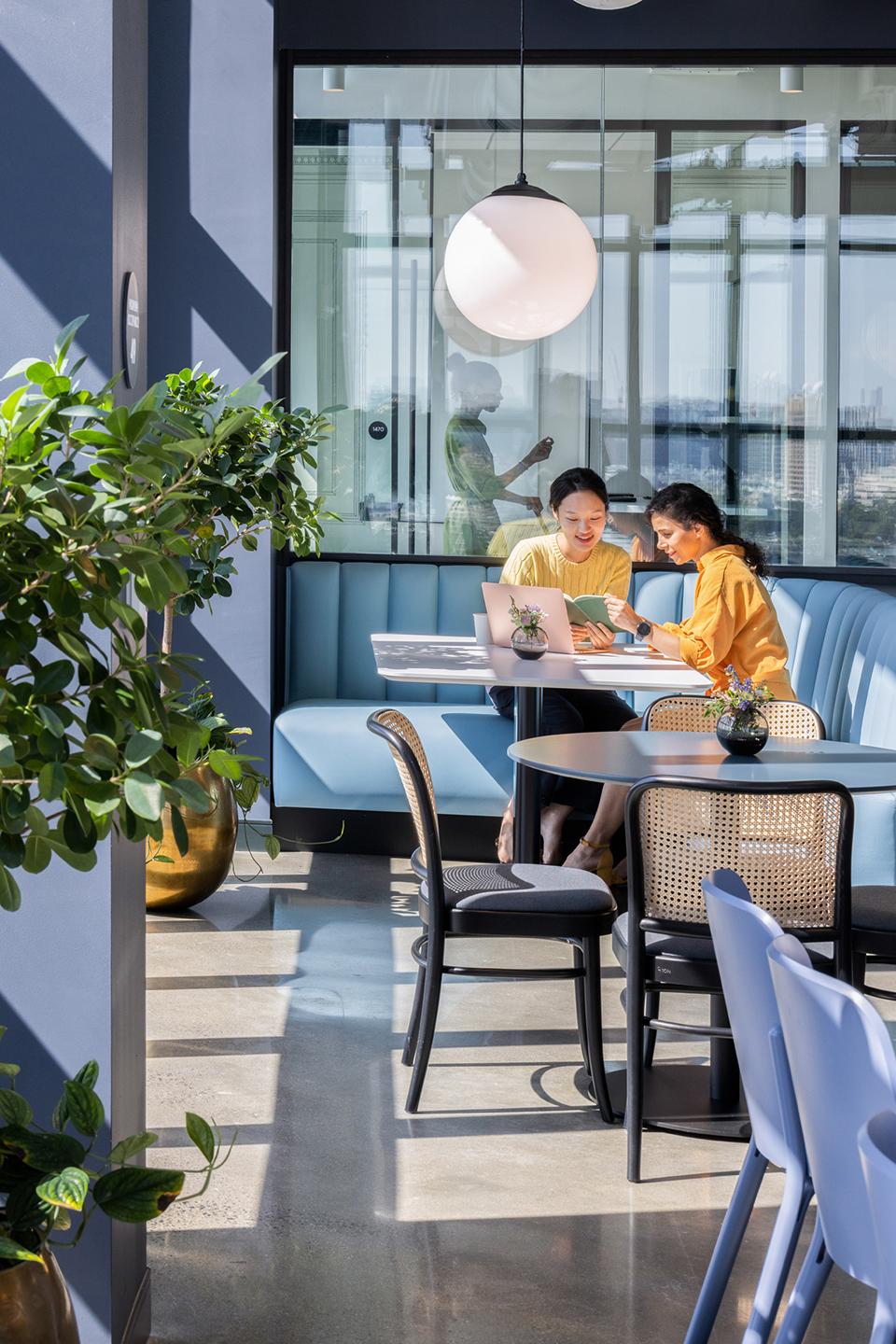
  • Special features of the project include a 50-foot-long outdoor deck offering employees views of Fenway Park, an airy blue employee café with a family farm table, collaborative office neighborhoods, and a Patient Impact Wall that celebrates the patients and families whose lives are transformed by the companies Third Rock Ventures has created.

Photography © Evan Joseph

Project

Nuro Headquarters

Nuro Headquarters

Mountain View, California
Client: Nuro

Elkus Manfredi possesses the rare ability to swiftly immerse themselves in a brand’s culture while taking hold of the process and effectively guiding their clients. Throughout the entire process, employee engagement and change management were not just critical, but principle to the journey, resulting in an exciting and engaging process.”
Tim Bergen

Former Head of Workplace & Real Estate, Nuro

Project Information

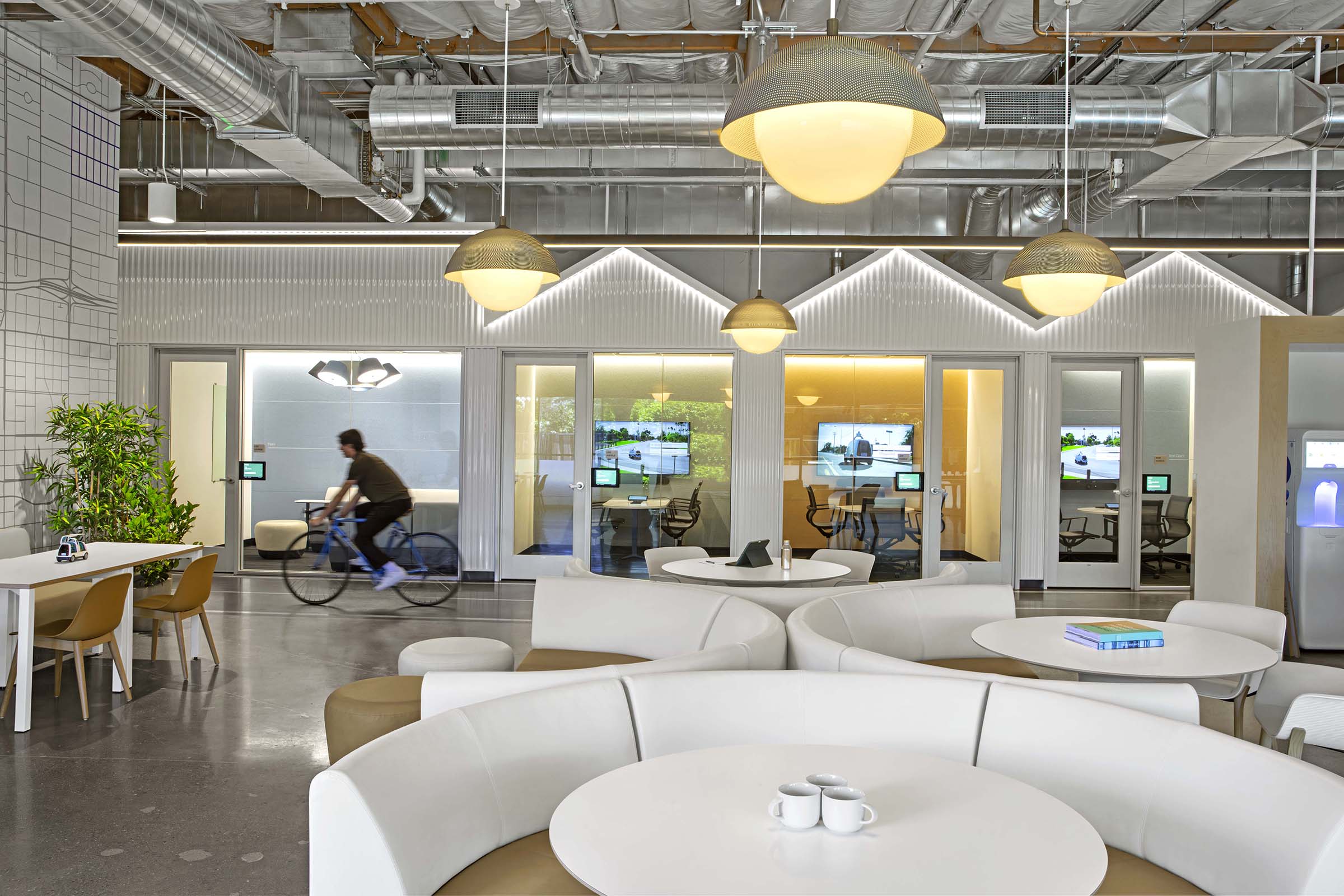
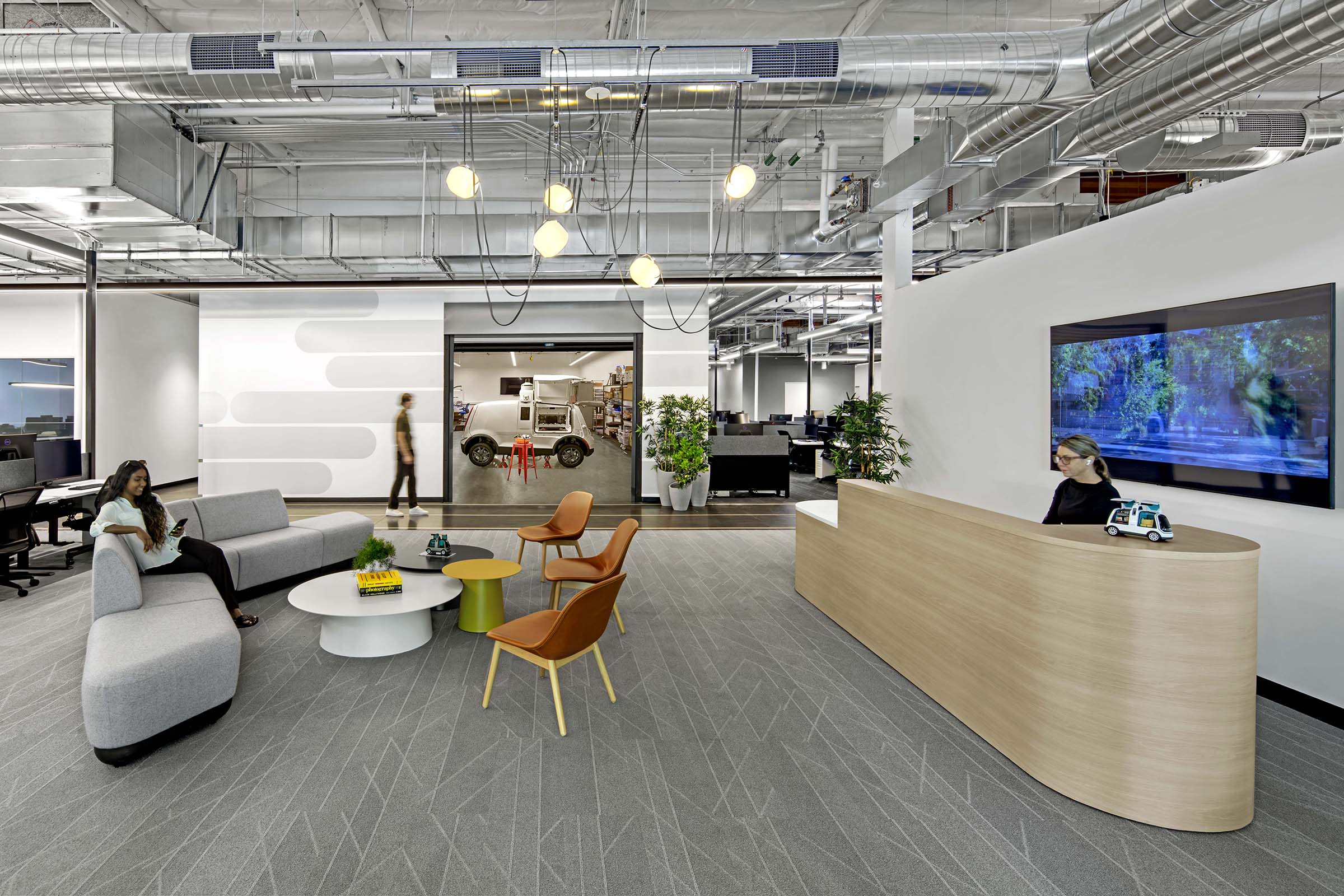
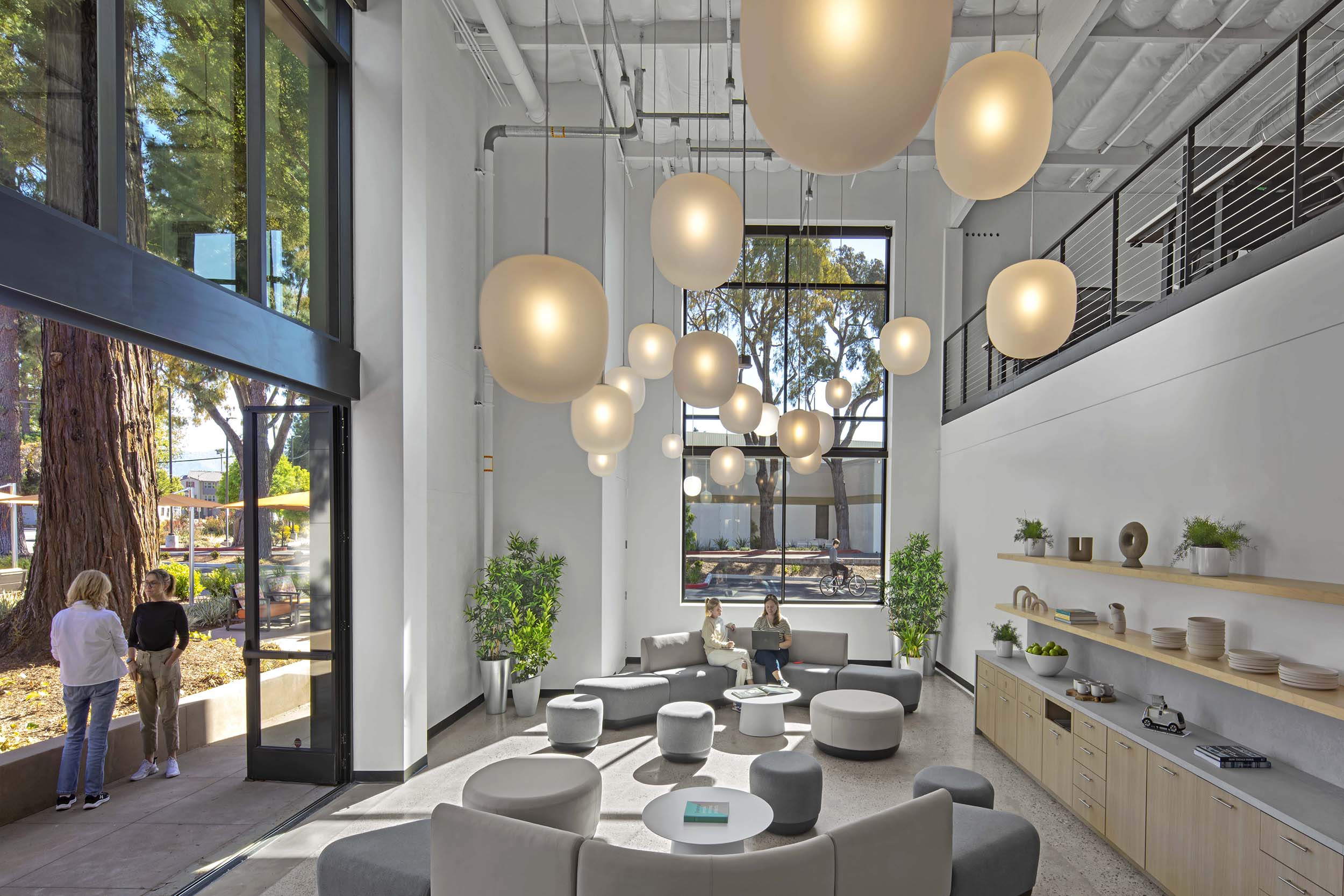
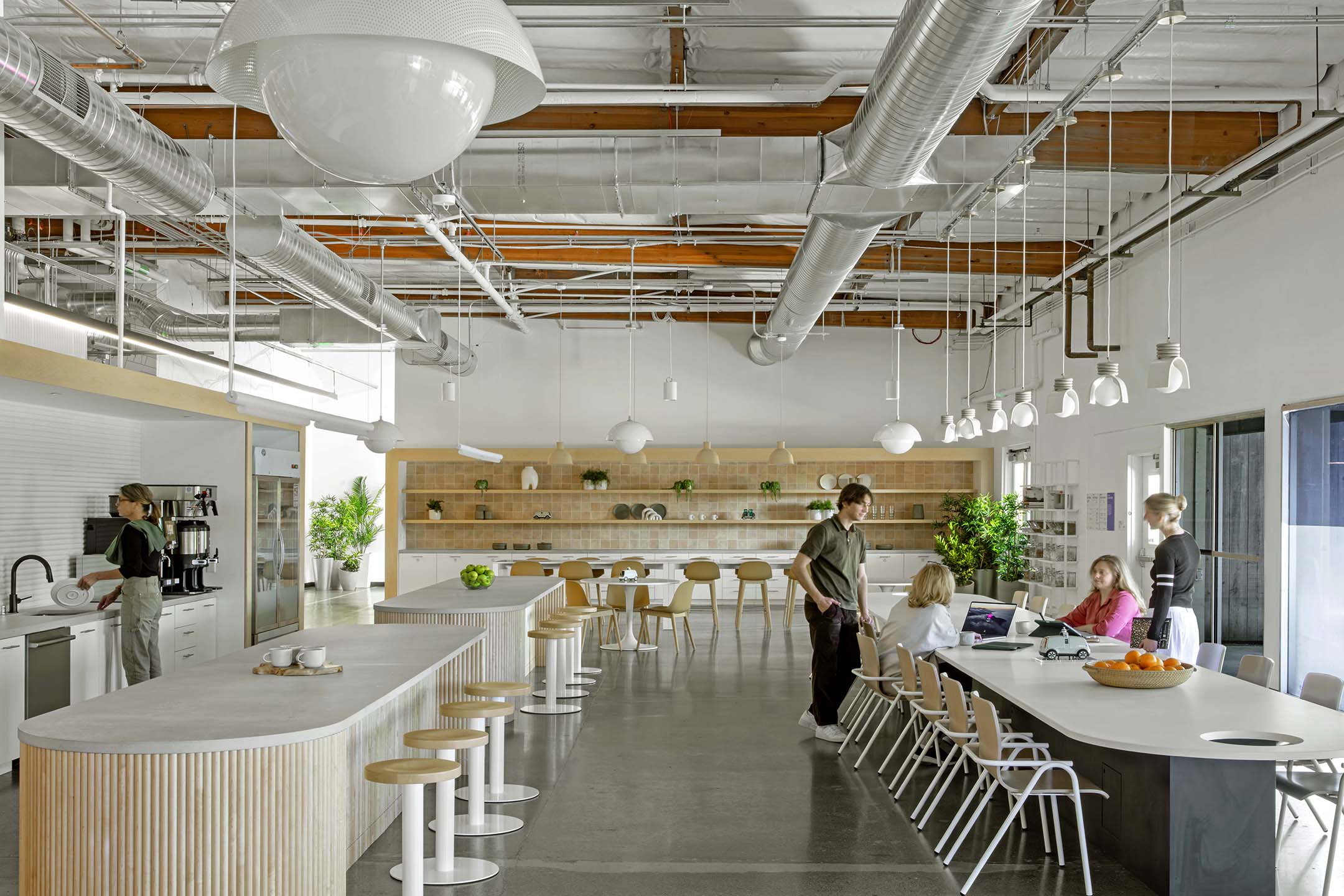
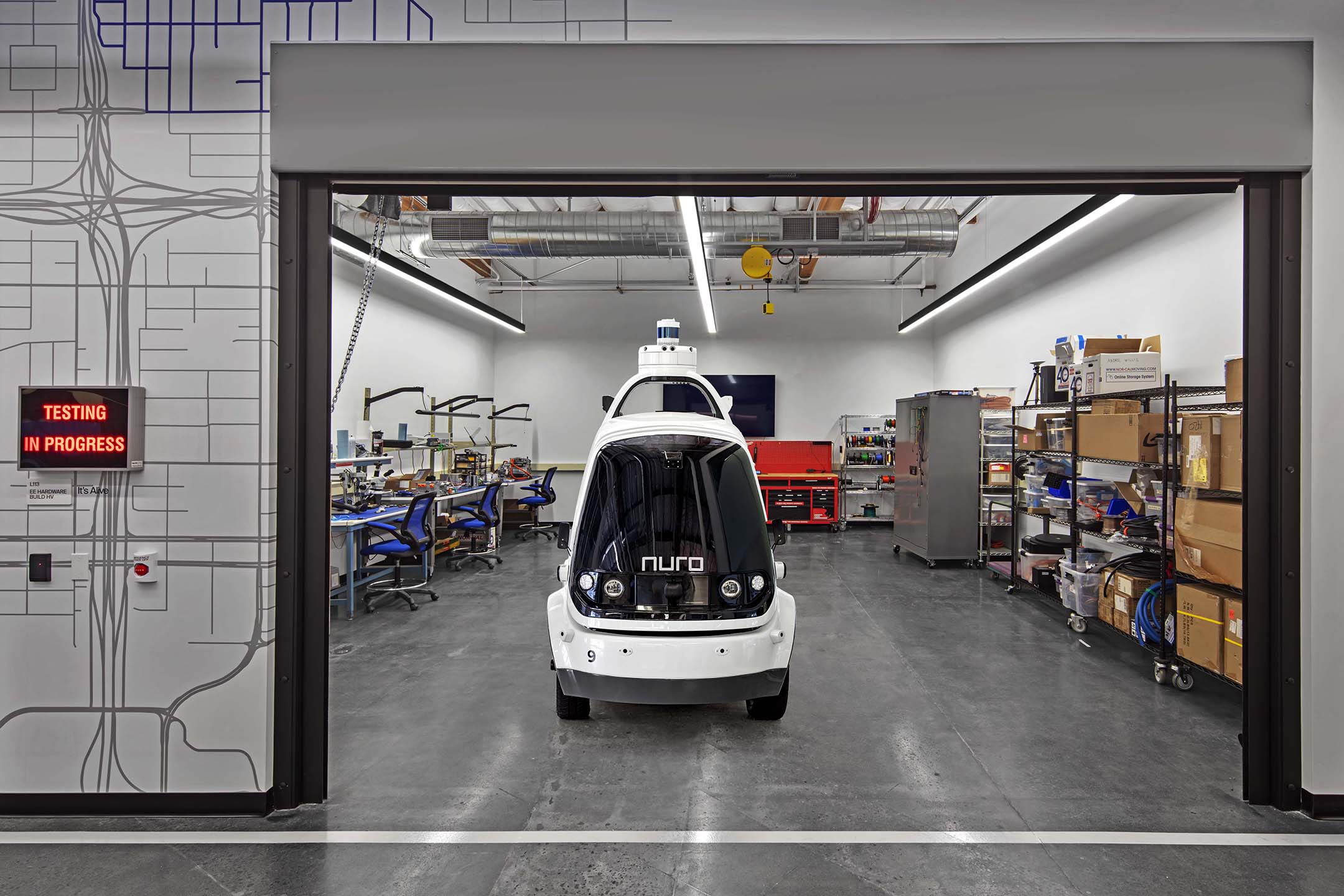
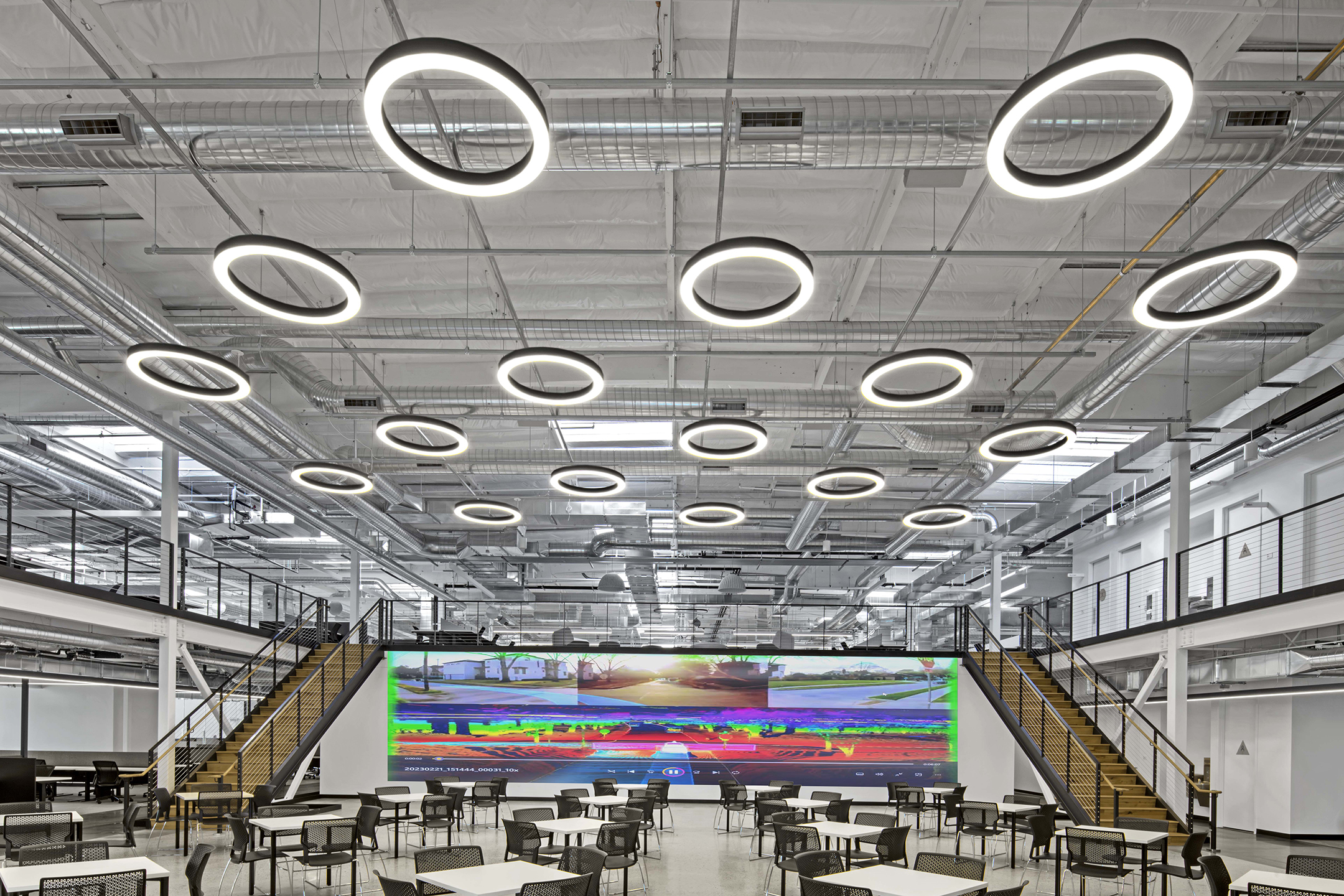
  • Named as one of “The 10 Most Innovative Companies” in the robotics industry by Fast Company, Nuro selected Elkus Manfredi Architects to design a phased expansion of its Silicon Valley workplace.
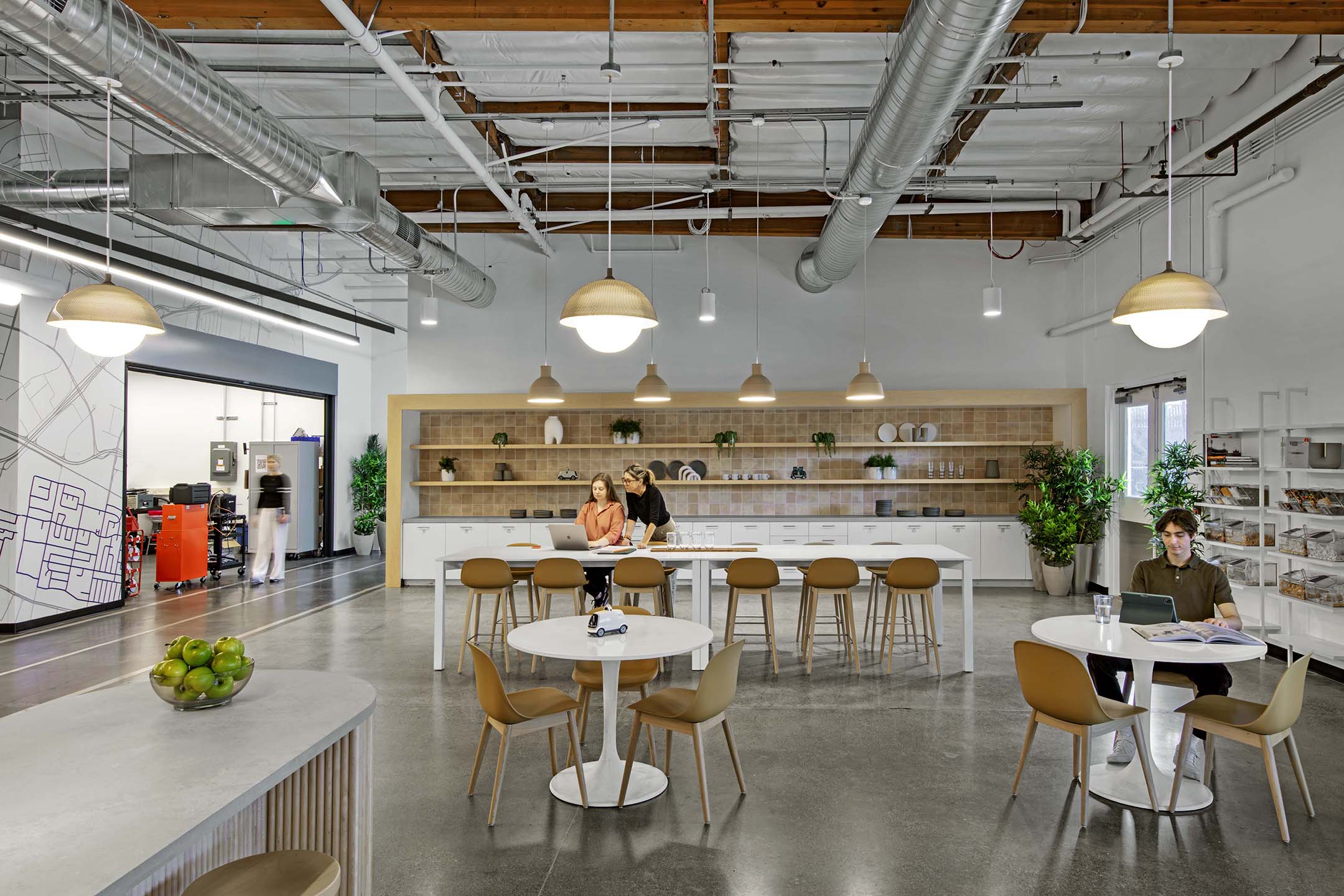
  • The new headquarters needed to serve as a tool for recruiting, accommodating a variety of individual and collaborative work styles, cultivating cross-functional partnerships and learning, and promoting employee wellness.
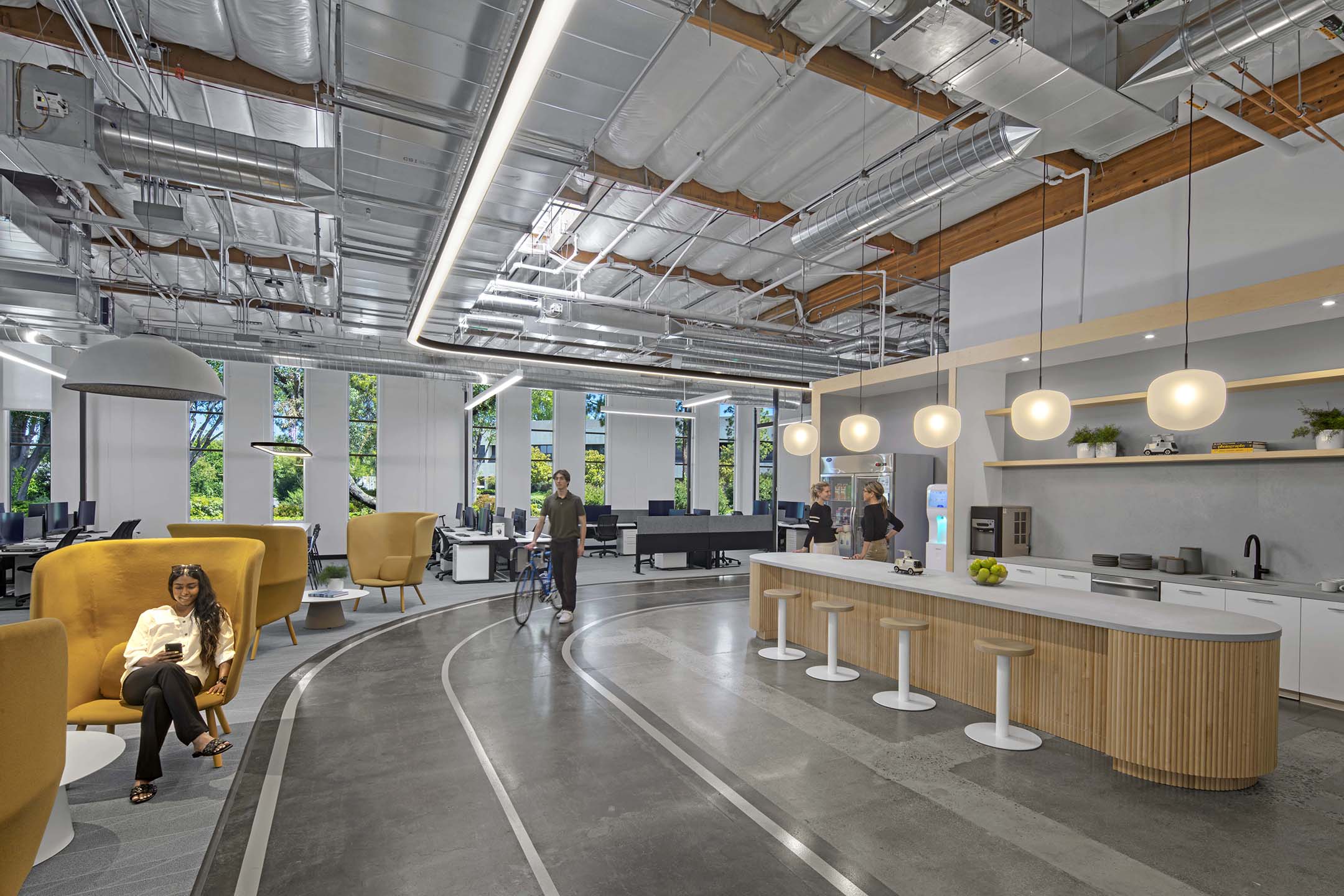
  • Elkus Manfredi transformed 165,000 square feet of cavernous warehouse space into a human-scaled office, fostering connection, choice, and spontaneous interaction.
  • The concept of a ring road designed for both people and Nuro’s autonomous vehicles separates the office’s inner loop and outer loop and divides the interior into “neighborhoods”.

Photography © Eric Laignel

Read Project Description

Project

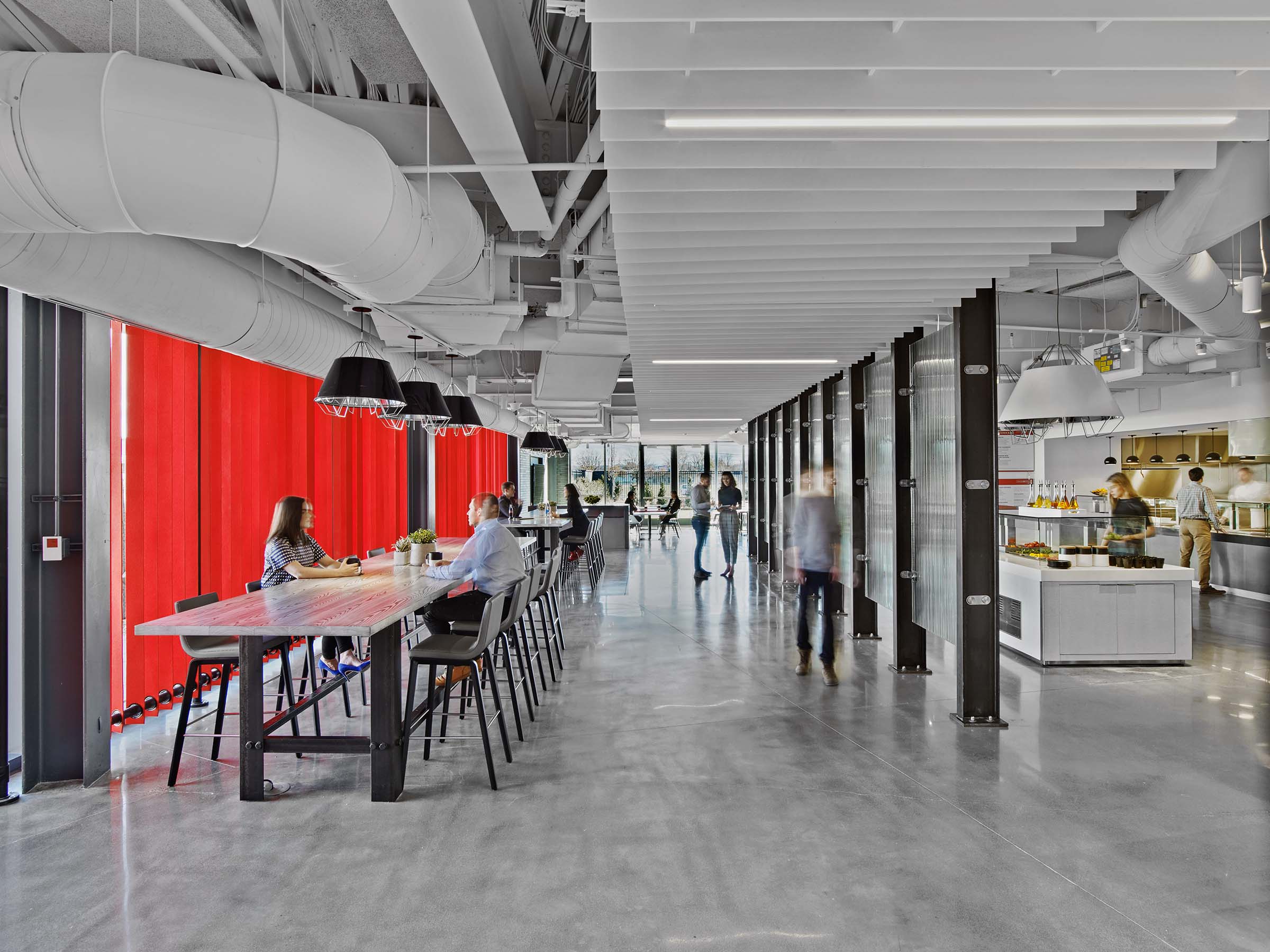
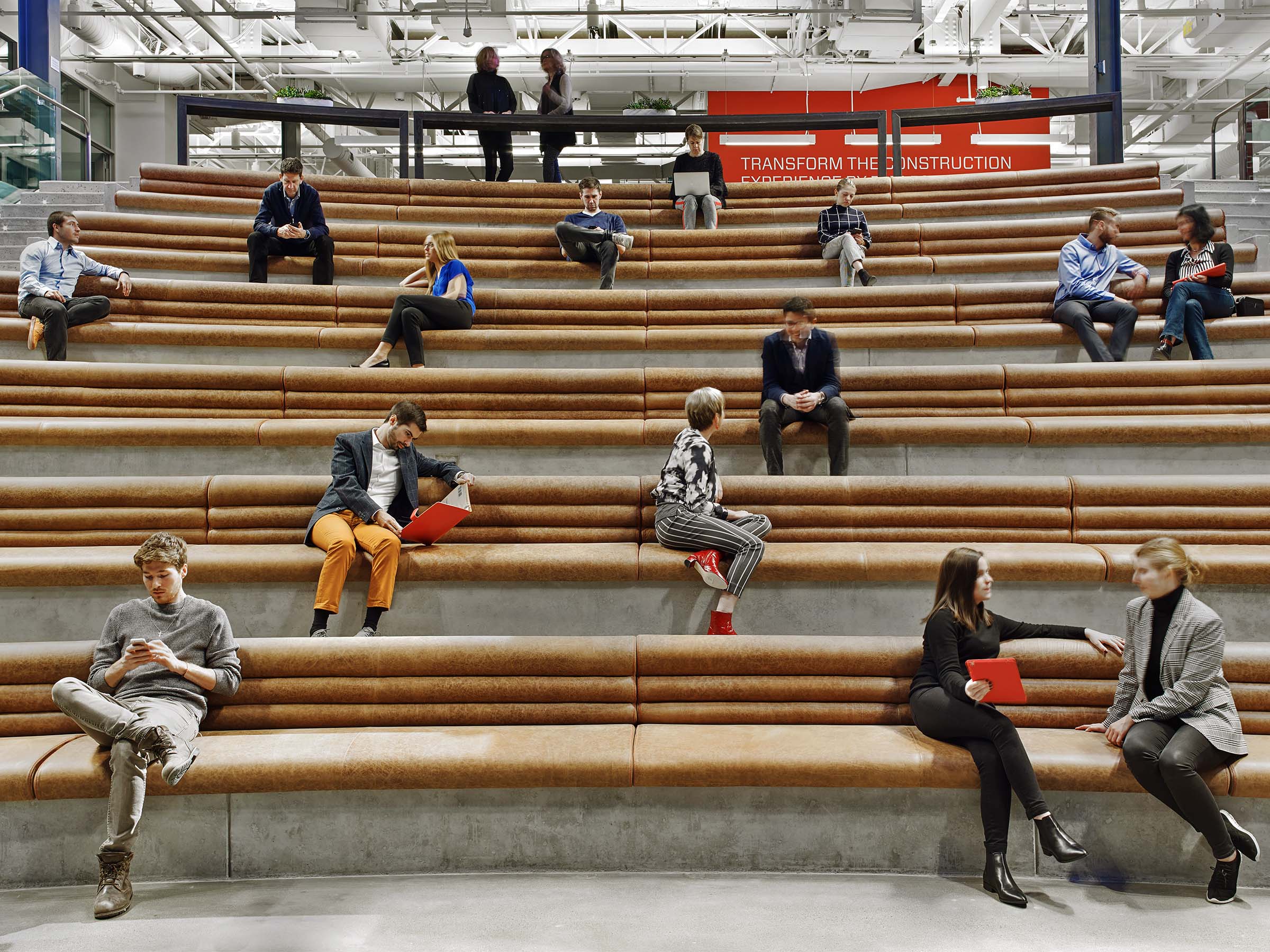
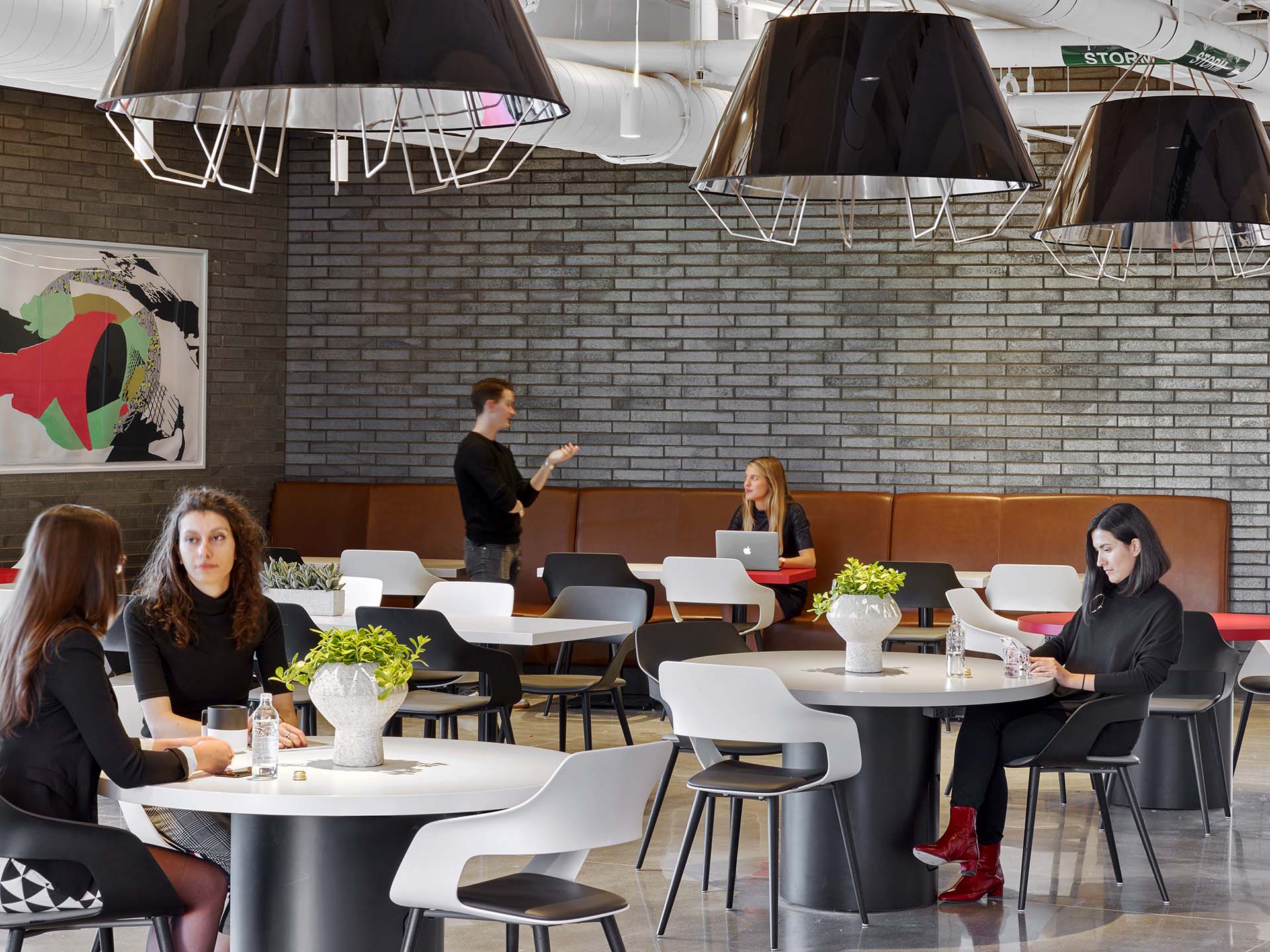
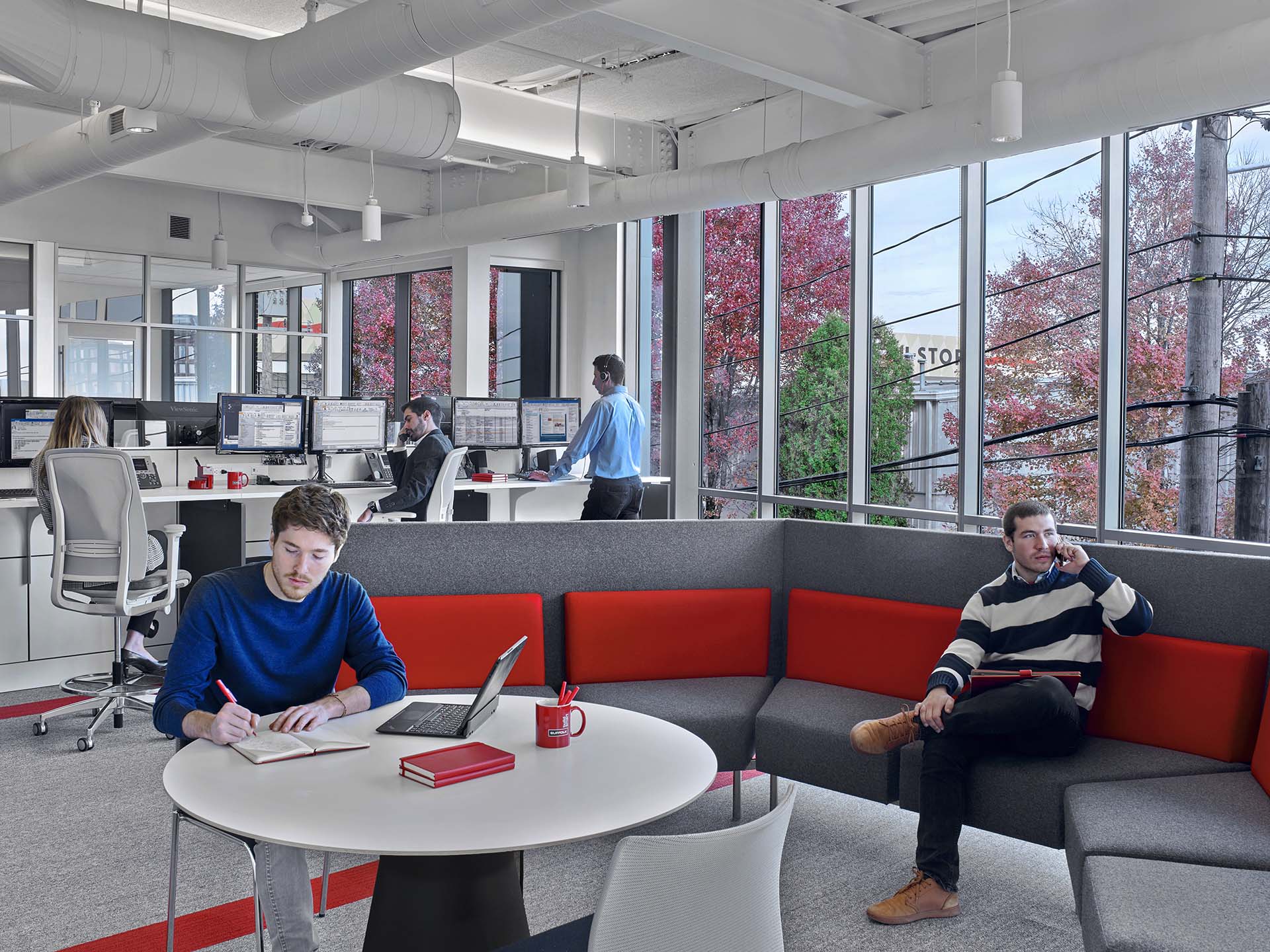
Suffolk Headquarters

Suffolk Headquarters

Boston, Massachusetts
Client: Suffolk Construction

Project Description

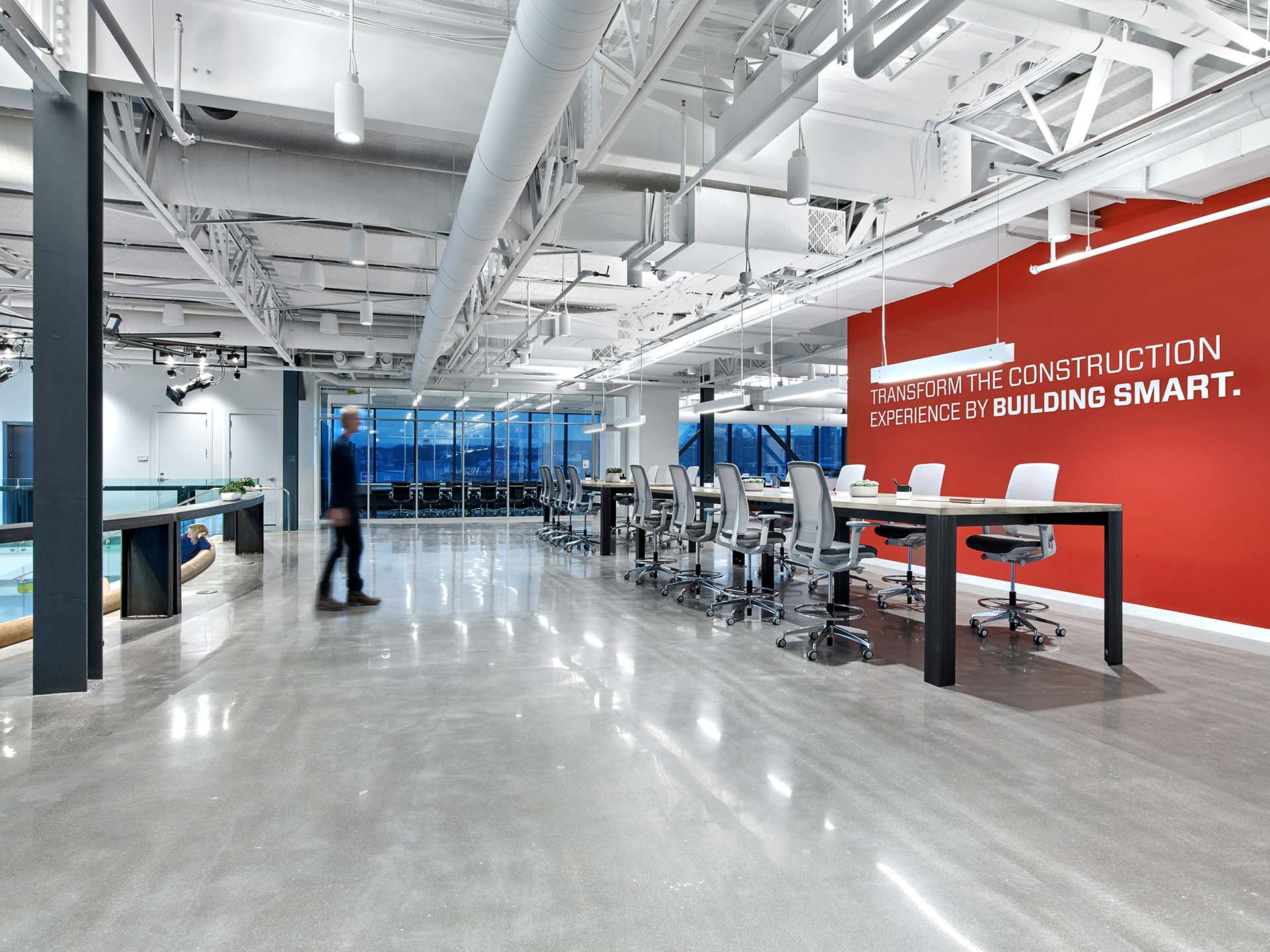
  • Reinvention of Boston headquarters, transforming it into a hard-working tool that affirms Suffolk’s commitment to the city and neighborhood.
  • Conference rooms and private offices were replaced with open workspaces to foster collaboration.
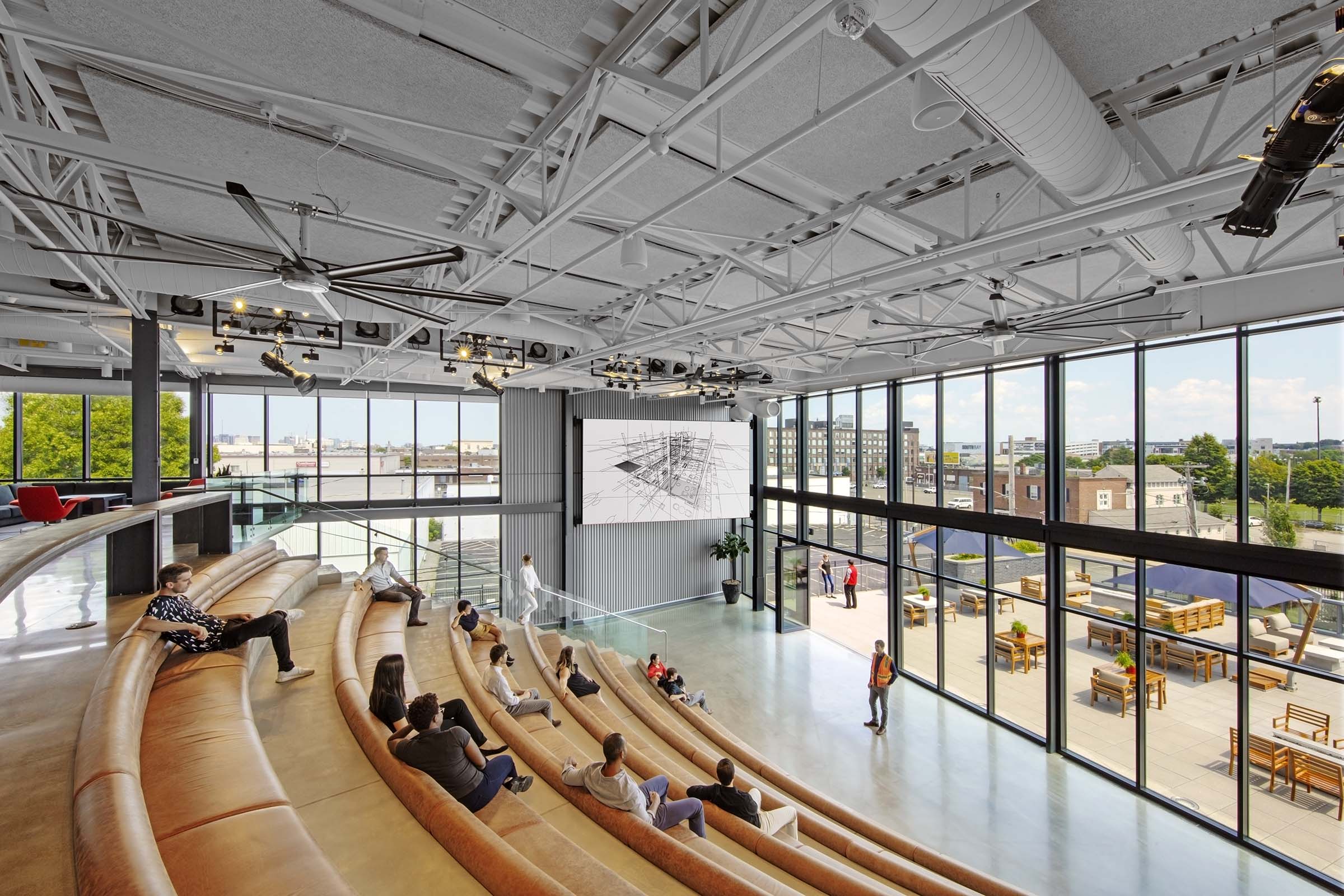
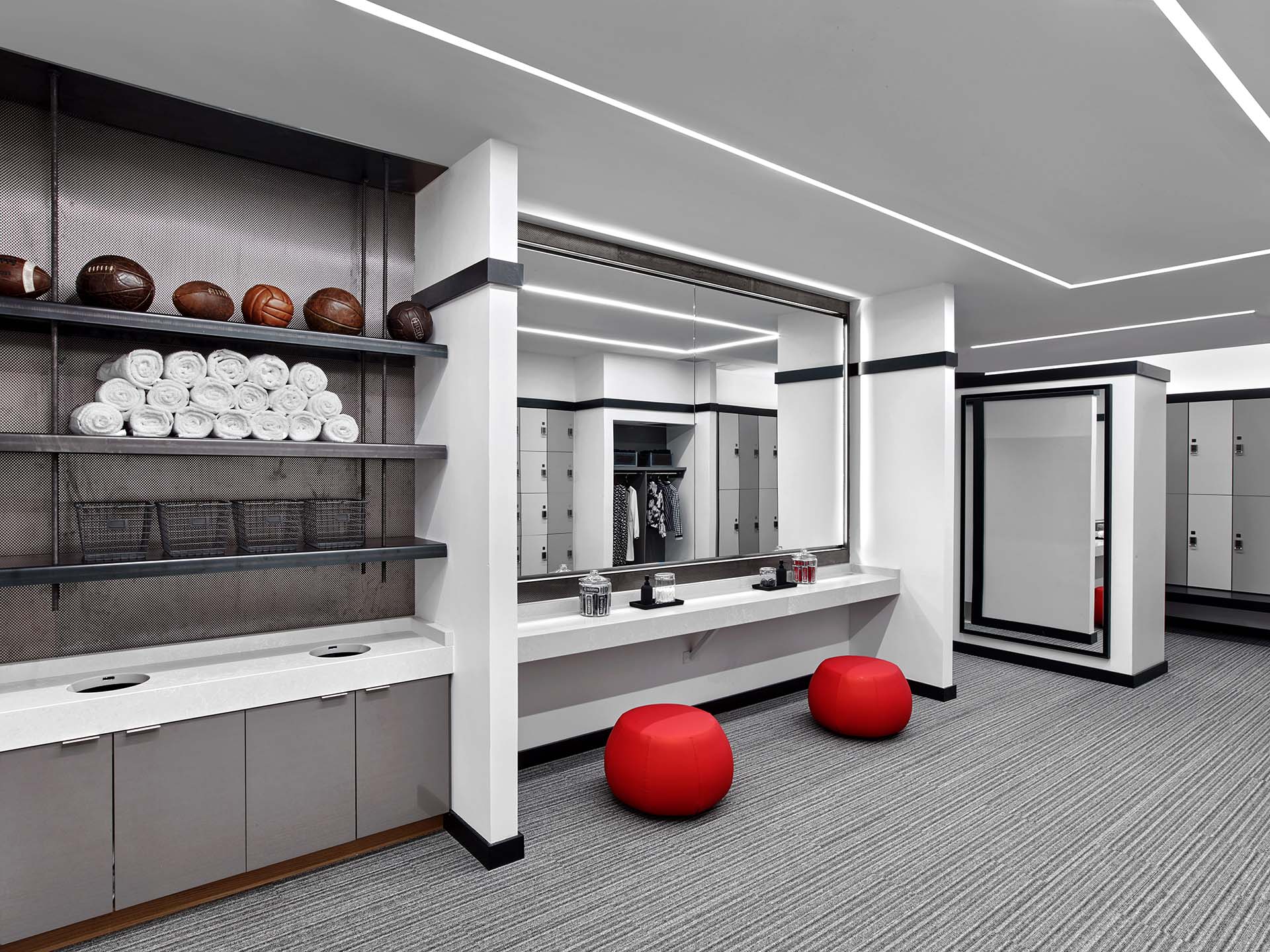
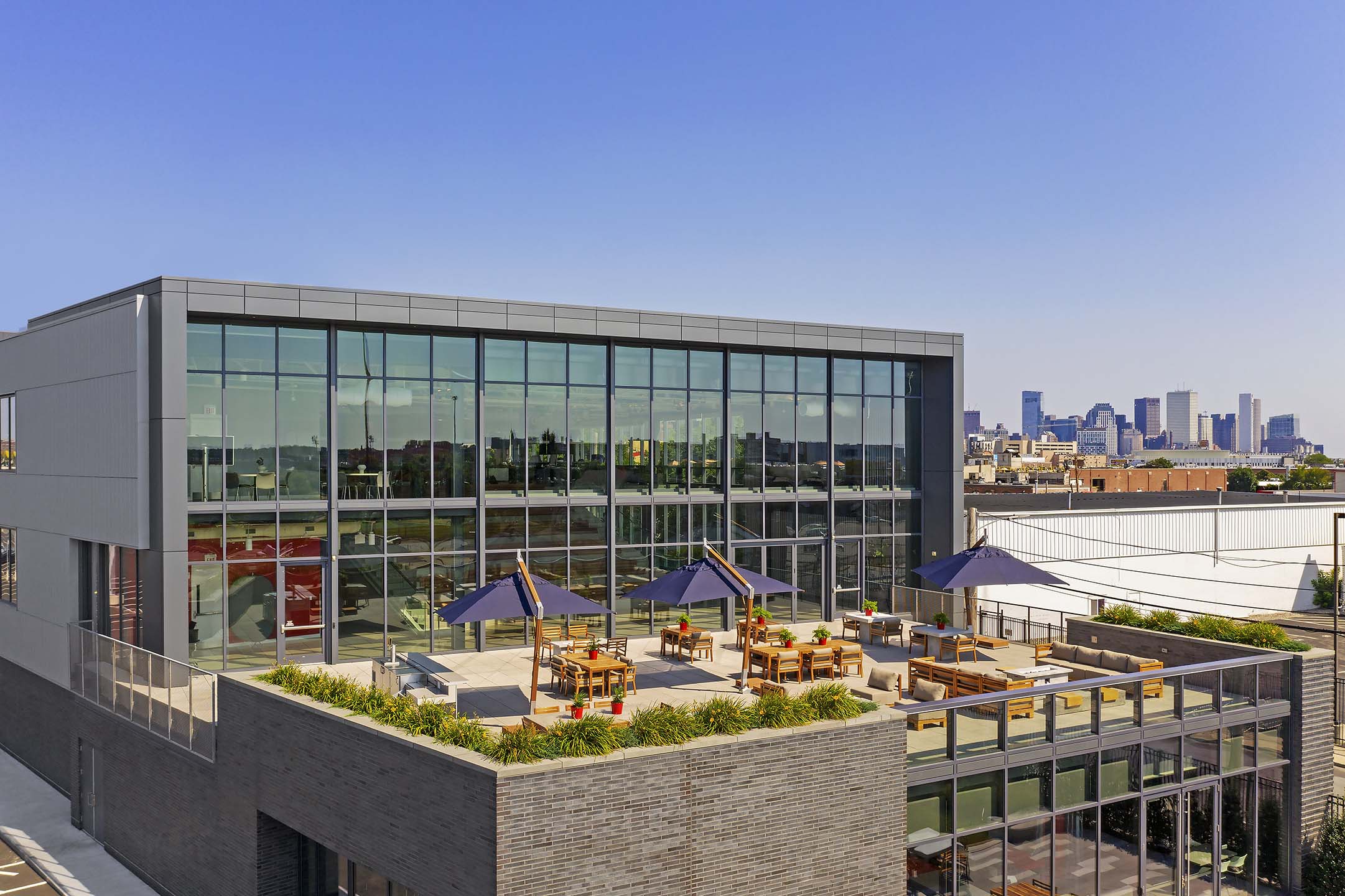
  • Amenities include a cafeteria serving freshly prepared meals plus a fitness center, tele-med room, hair salon, nail salon, dry cleaning, outdoor spaces, and signature stadium presentation space that can also be used by the surrounding Roxbury community and non-profit organizations.

Photography: Eric Laignel

Project

TMC3 Collaborative Building

TMC3 Collaborative Building

Houston
Client: Texas Medical Center, Texas A&M University Health Science Center, UT Health, MD Anderson Cancer Center

Project Description

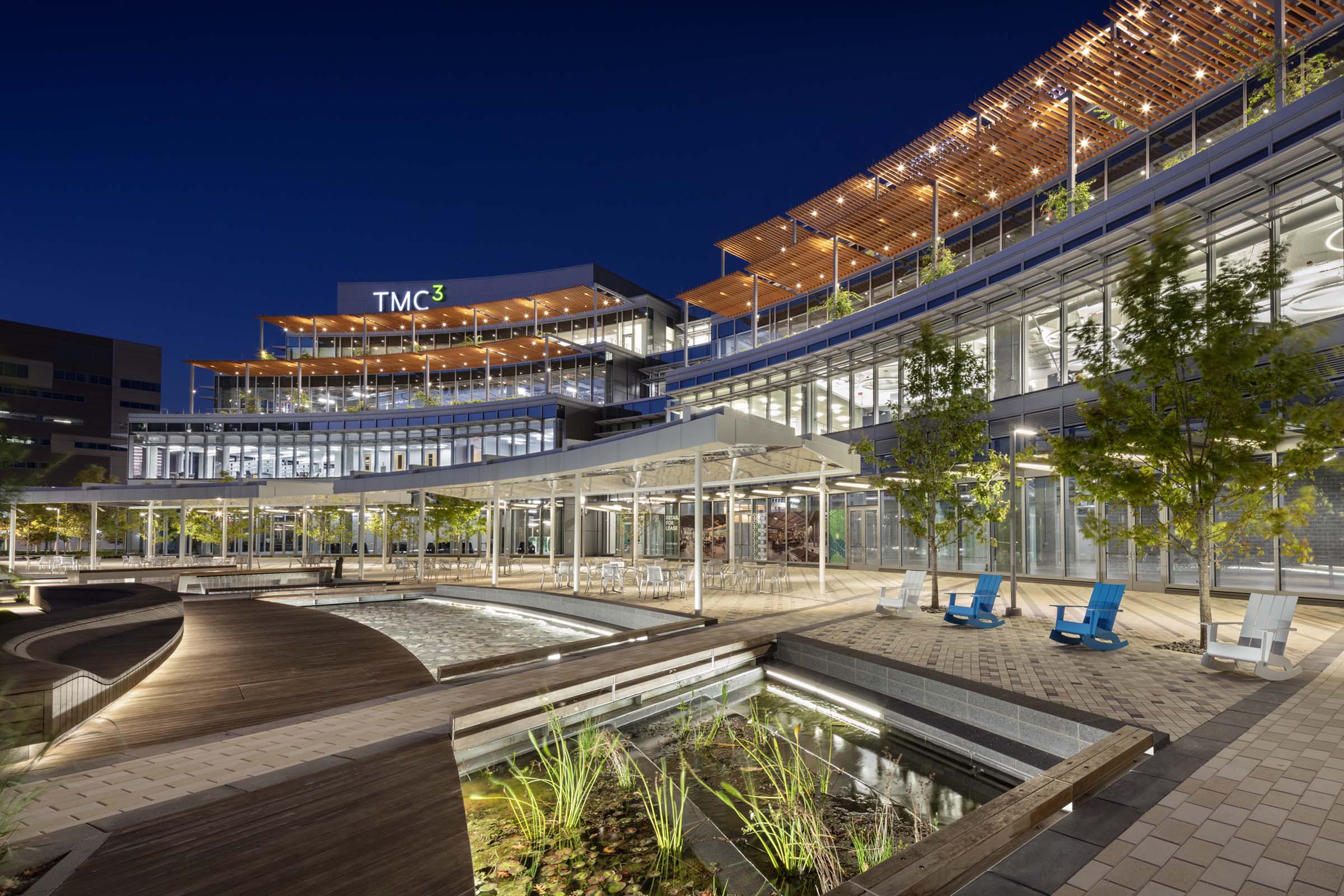
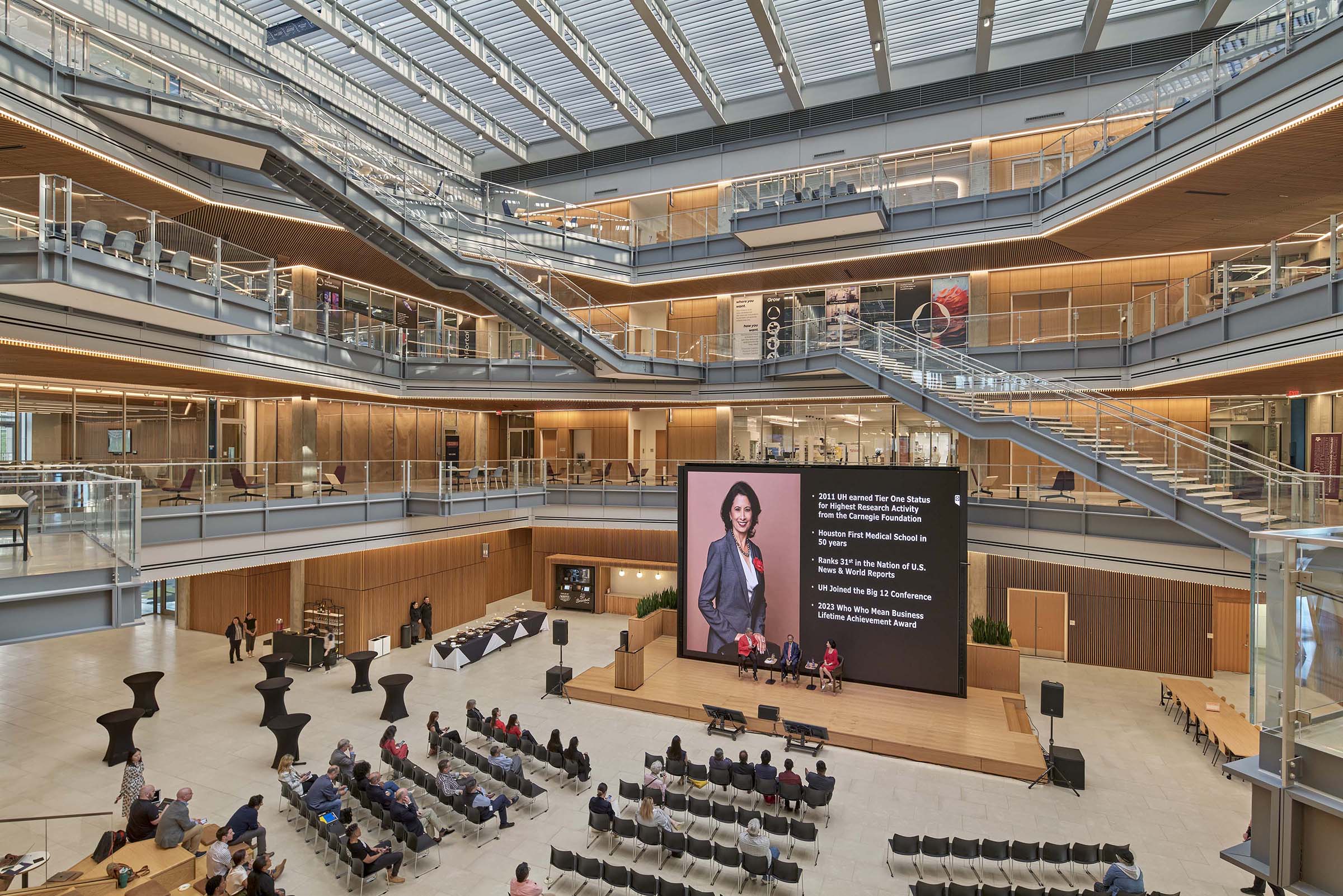
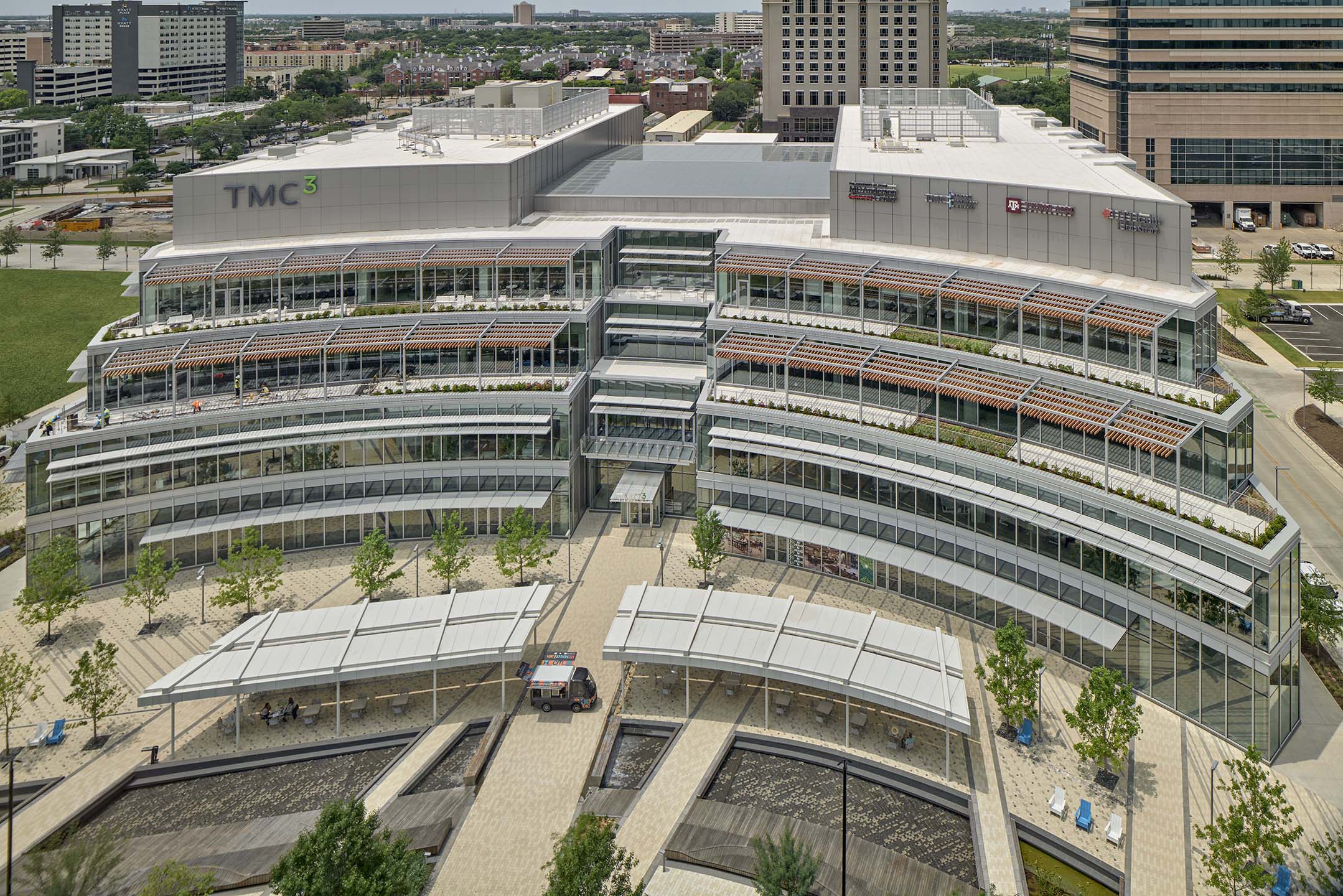
  • Elkus Manfredi Architects are the master planners of Texas Medical Center (TMC) Helix Park. The first building and cornerstone is the TMC³ Collaborative Building which is a role model for the cross-disciplinary collaboration required by today’s science.
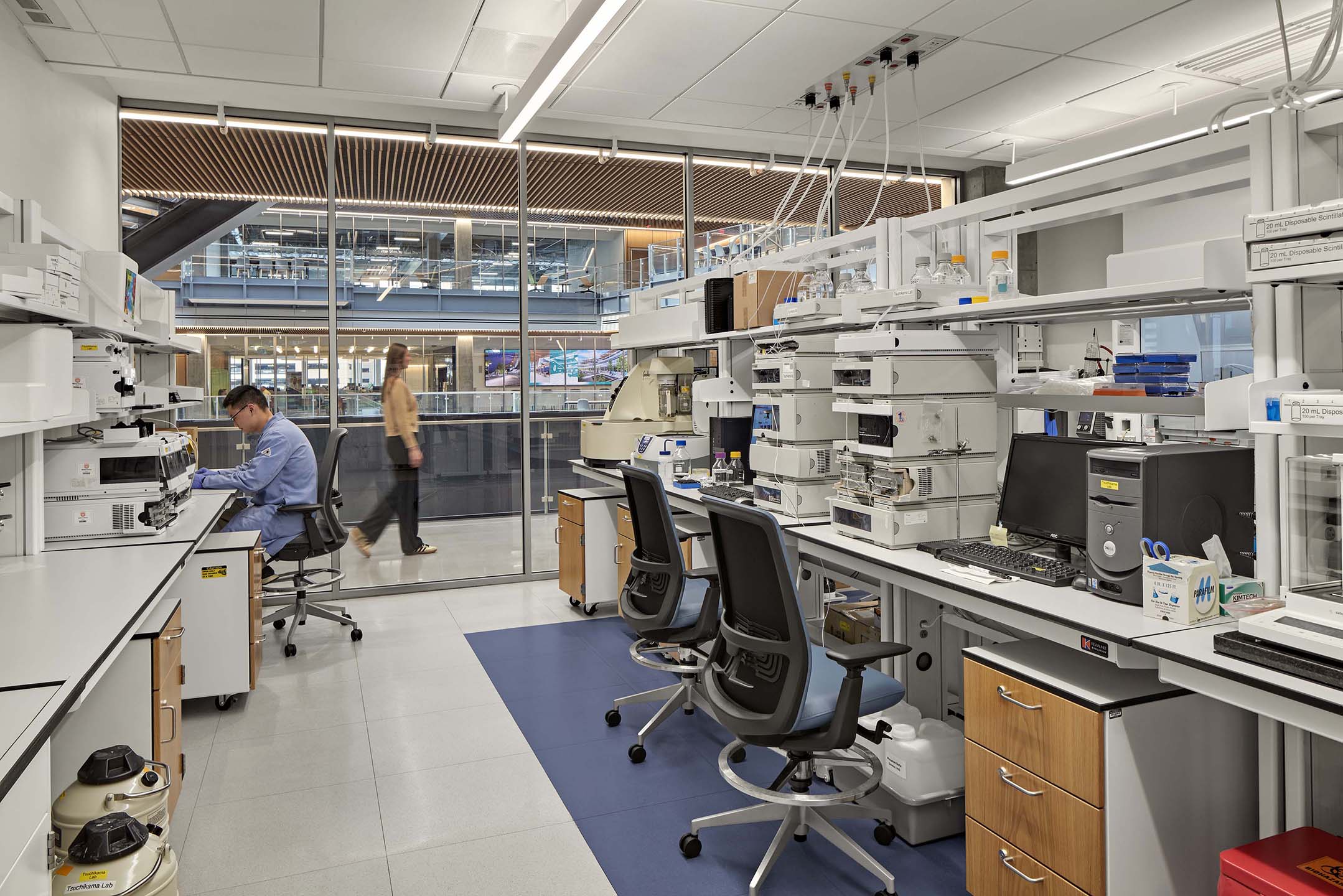
  • The building is designed to accommodate three research institutions working in interdisciplinary teams and cross-pollinating with industry partners to accelerate translational therapies from academic science to commercialization. The founding partners are TMC, Baylor College of Medicine, Texas A&M, UT Health, and MD Anderson Cancer Center.
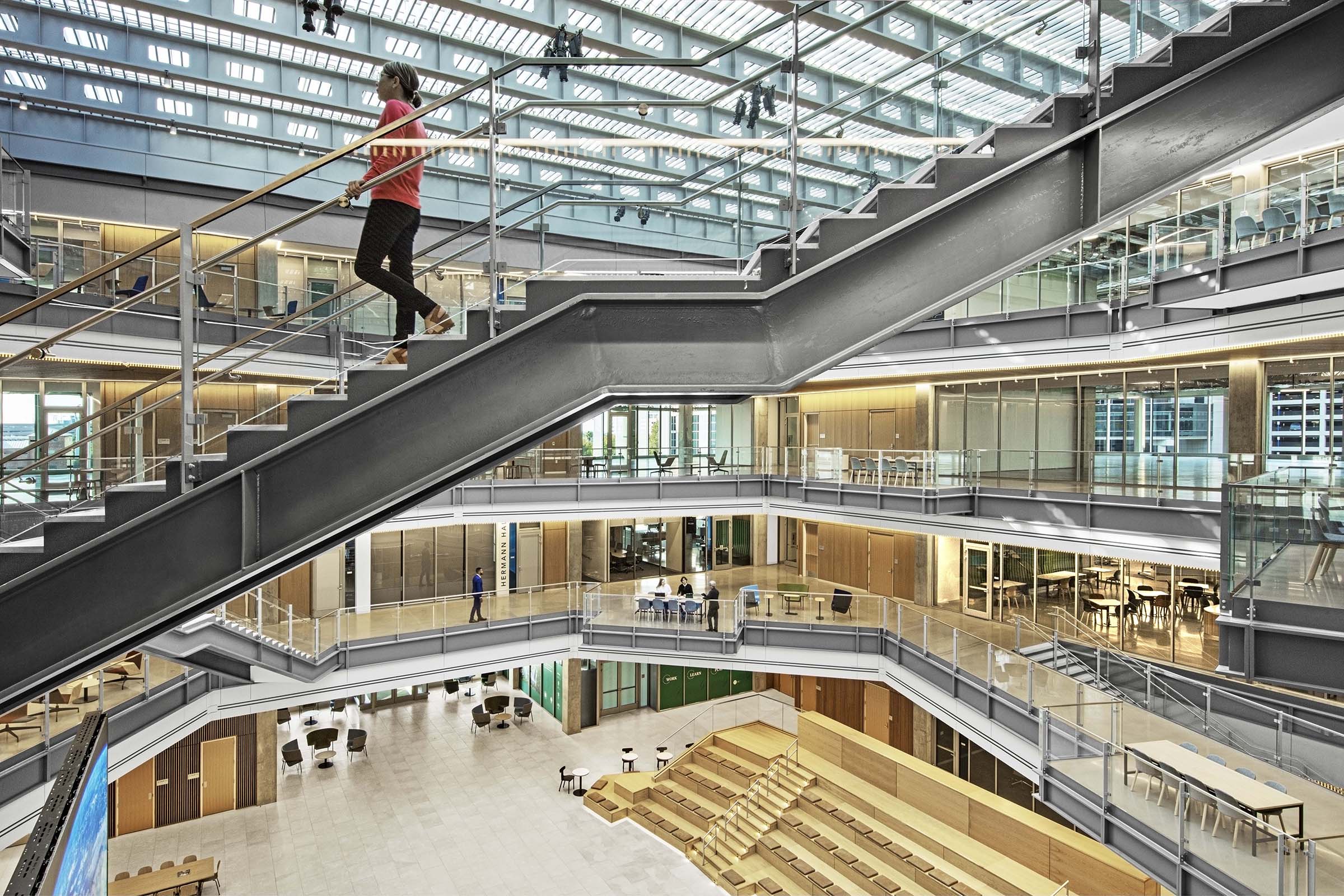
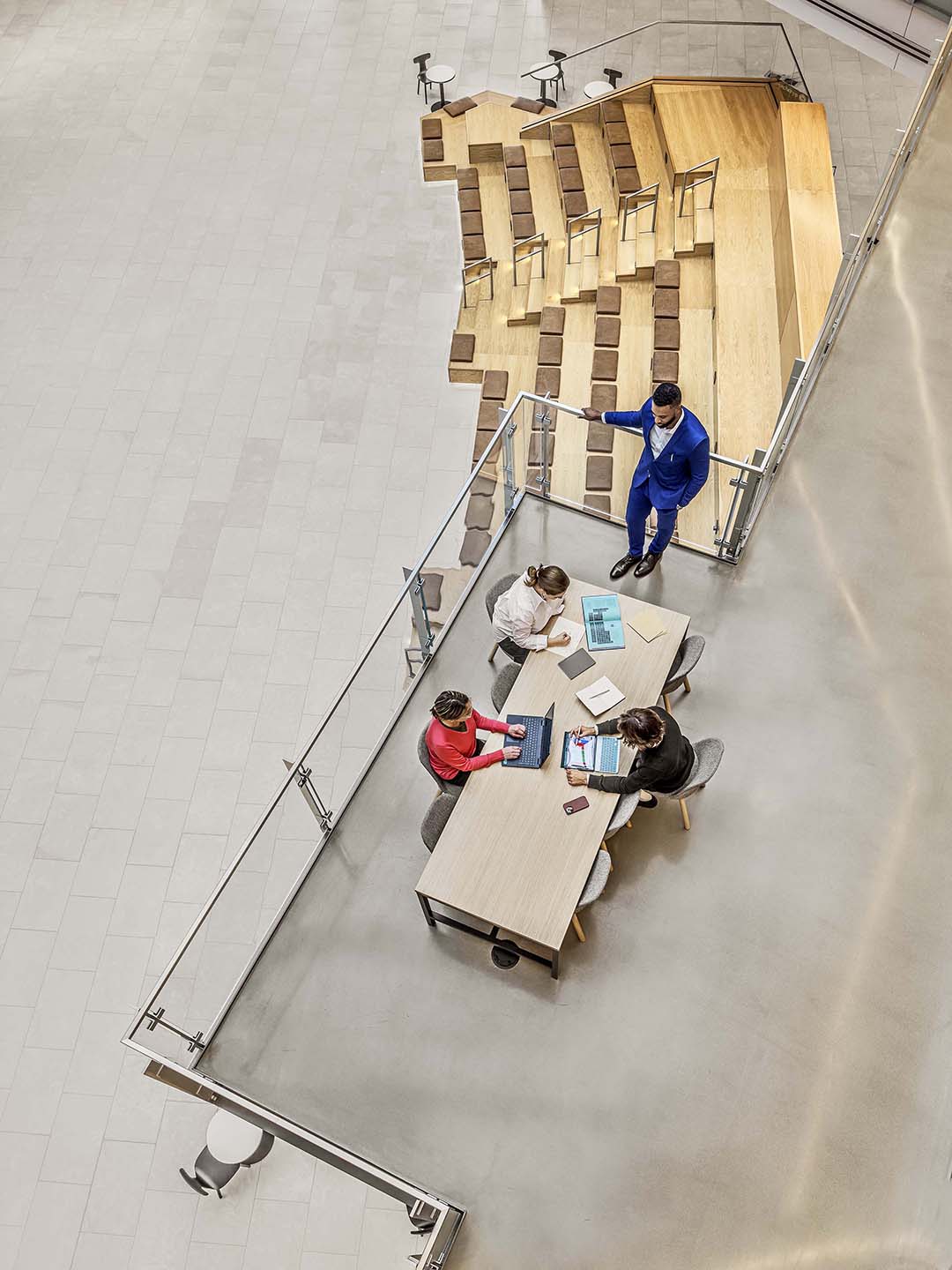
  • At 260,000 square feet, the building features four floors plus a fifth-floor penthouse, and includes laboratory, office, conference, and retail space, as well as a fixed-seat lecture hall and a four-story central atrium public space utilized for events and presentations.
  • The atrium is designed with a series of stairs and glass walls along labs to create maximum transparency and help foster interaction among the founding institutions and industry research teams.
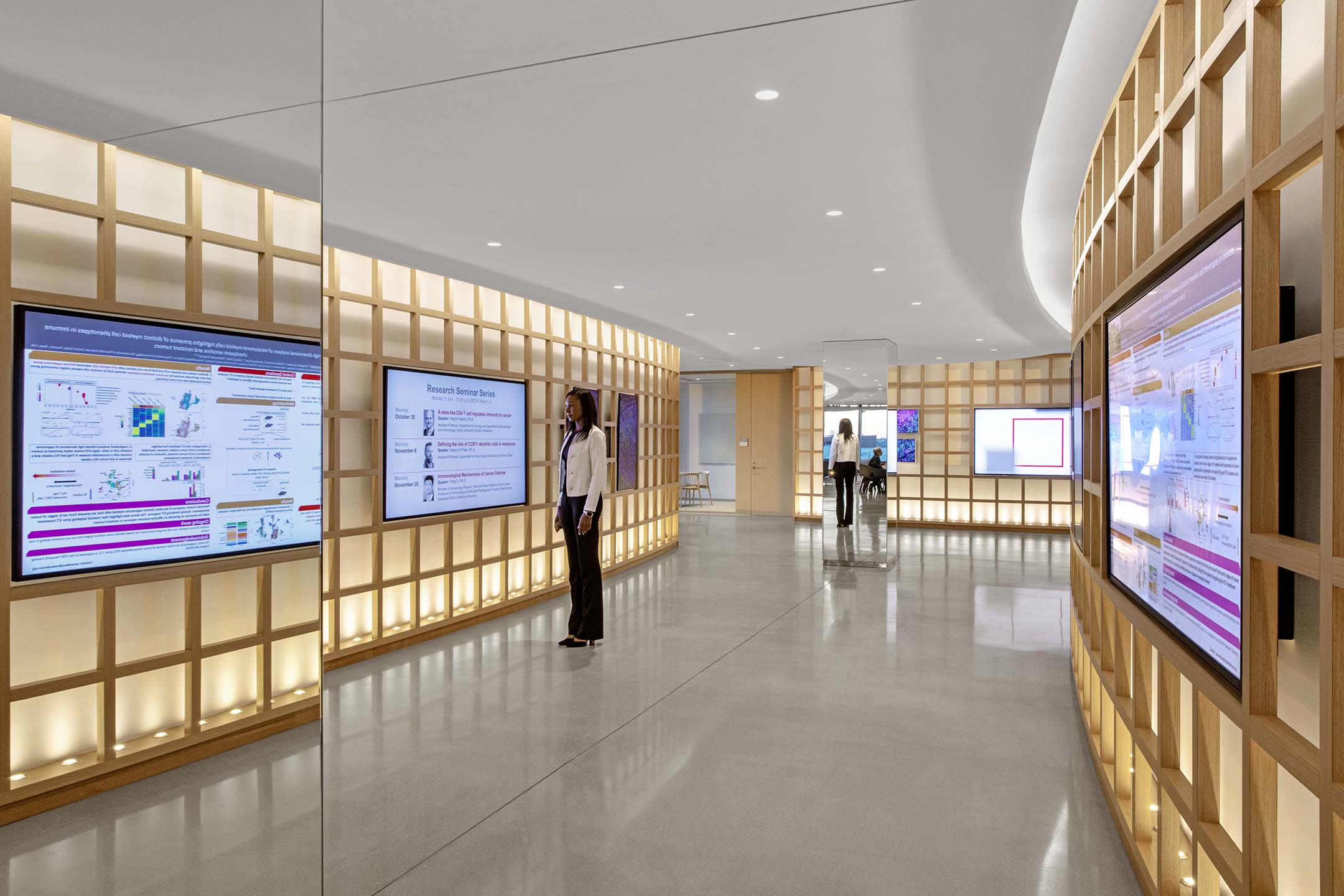
  • In addition to research spaces, Elkus Manfredi also designed the interiors of marketing and executive suites for TMC and the research showcase for the Nobel Prize-winning James P. Allison Institute.

Photography by Joe Aker, Robert Benson and Eric Laignel.

Project

MullenLowe Group

MullenLowe Group

Boston, Massachusetts
Client: MullenLowe Group

Project Information

  • Leading creative services agency MullenLowe Group engaged Elkus Manfredi Architects to design their two-level, 66,000-square foot office in Boston’s Seaport District.
  • Elkus Manfredi’s workplace strategists guided MullenLowe to determine their specific goals which included flexible spaces designed to anticipate multiple uses.
  • Employees can adapt their workspaces to suit their creative mindset, while the overall essence of transparency in the office keeps teams connected and encourages creative collisions.
  • Color is used strategically, taking cues from the rubato movement in music, which punctuates neutral rhythms with energizing bursts of color.
  • The project is certified LEED ID+C Gold: Commercial Interiors.


Photography © Andrew Bordwin

Project

One65 Main Residences

One65 Main Residences

Cambridge, Massachusetts
Client: MIT Investment Management Company

Project Description

  • One65 Main is a 300-unit, 412,000-square foot residential building located at the vibrant gateway to Kendall Square, “the most innovative square mile on the planet.”
  • The goals of this project were collaborating with Cambridge communities, contributing public space to the neighborhood, and attracting a diverse group of potential residents including students, scientists, tech innovators, and entrepreneurs.
  • The 24-story tower includes 63 affordable dwellings to serve Cambridge’s needs, as well as 36 ‘innovation studio’ units that were designed to support live/work tenants.
  • Amenity spaces include a grocery store for the neighborhood, a new pedestrian way that connects to Broad Canal, and two levels of enclosed garage parking.
  • The project is certified LEED BD+C Gold: New Construction.


Photography by Bruce Martin (exterior), Sinziana Velicescu/Shildan Group (exterior) and Evan Joseph (interiors)

Project

Harvard University — Soldiers Field Park

Harvard University — Soldiers Field Park

Boston, Massachusetts
Client: Harvard University

Project Description

  • The Soldiers Field Park complex is a prominent component of Harvard University’s affiliate housing portfolio, with approximately 750 residents in 478 apartments spread across four buildings.
  • Elkus Manfredi provided planning and design services for extensive cosmetic, infrastructure, and system upgrades of the entire 1970s complex.
  • Our work reconfigured apartment layouts to meet changing tenant demographics, reprogrammed the street-level spaces to expand amenities and engage pedestrians, and redeveloped the site with improvements that connect with the surrounding and developing Allston campus.
  • The amenity program includes study rooms, conference rooms, lounge and common rooms, a fitness center, and indoor children’s playrooms.
  • All four phases are certified LEED-ID+C: Commercial Interiors Gold. The project also meets Harvard’s Healthier Building Academy’s standards and Healthcare Without Harm’s Greenhealth Approved standard.


Photos: © David Kurtis and Elkus Manfredi Architects

Project

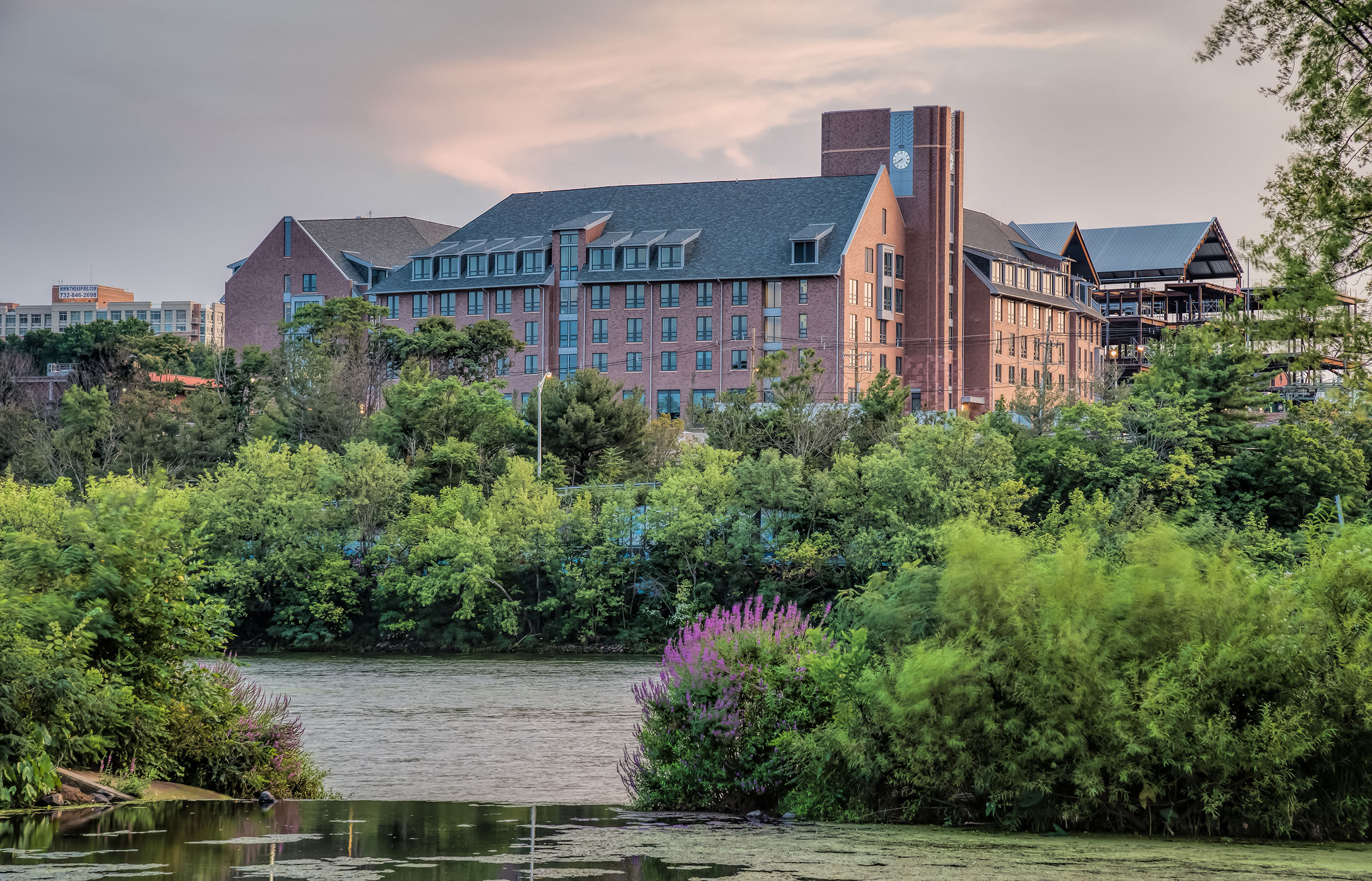
Georgetown University — 55 H Street Student Residences

Georgetown University — 55 H Street Student Residences

Washington D.C.
Client: Georgetown University, American Campus Communities

Project Description

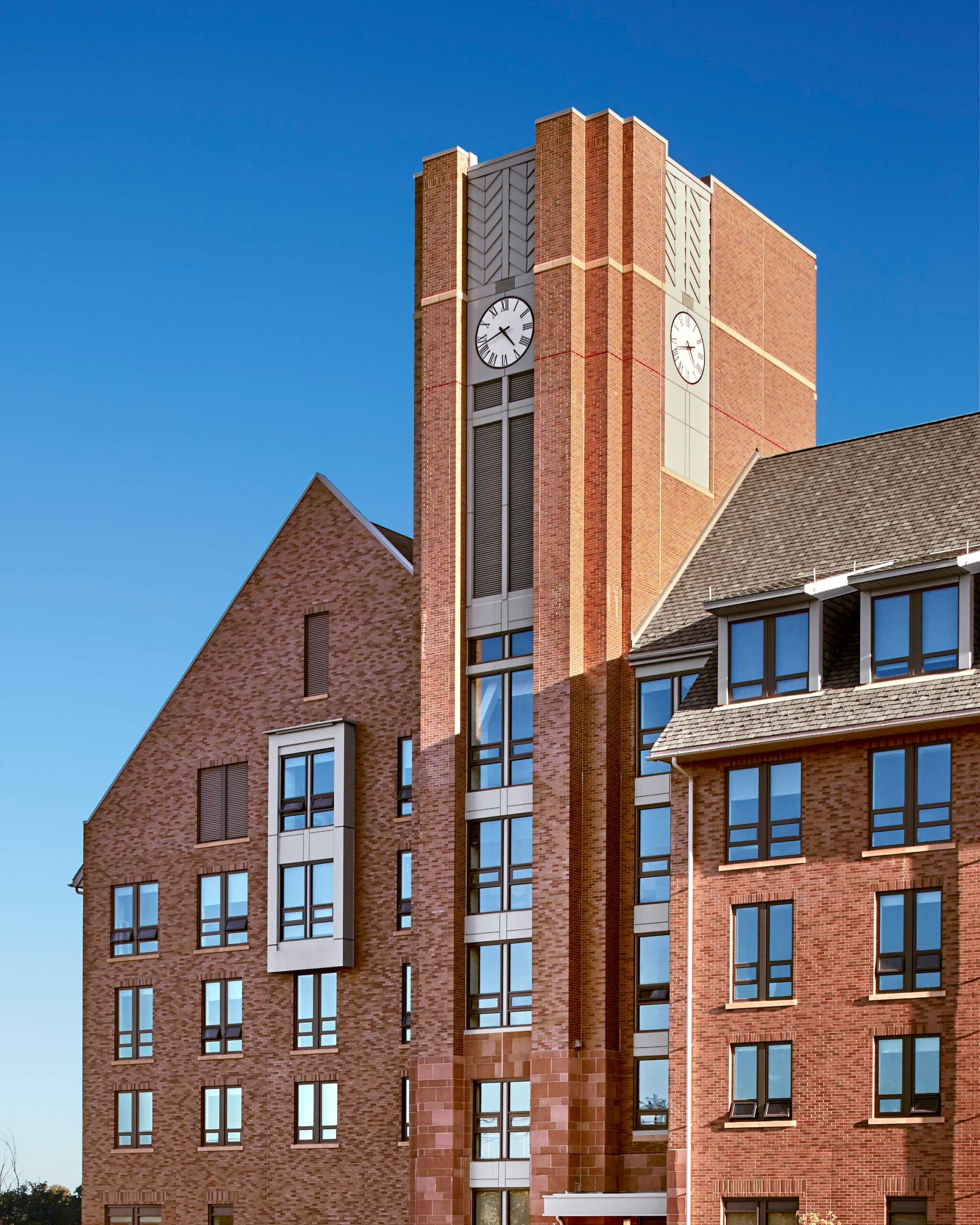
    • 55 H Street is Georgetown University’s first student residence hall constructed in downtown Washington, D.C., and represents the University’s commitment to a new Capitol Campus that strengthens its presence on Capitol Hill and broadens its ability to offer students deep engagement with the city and the world.
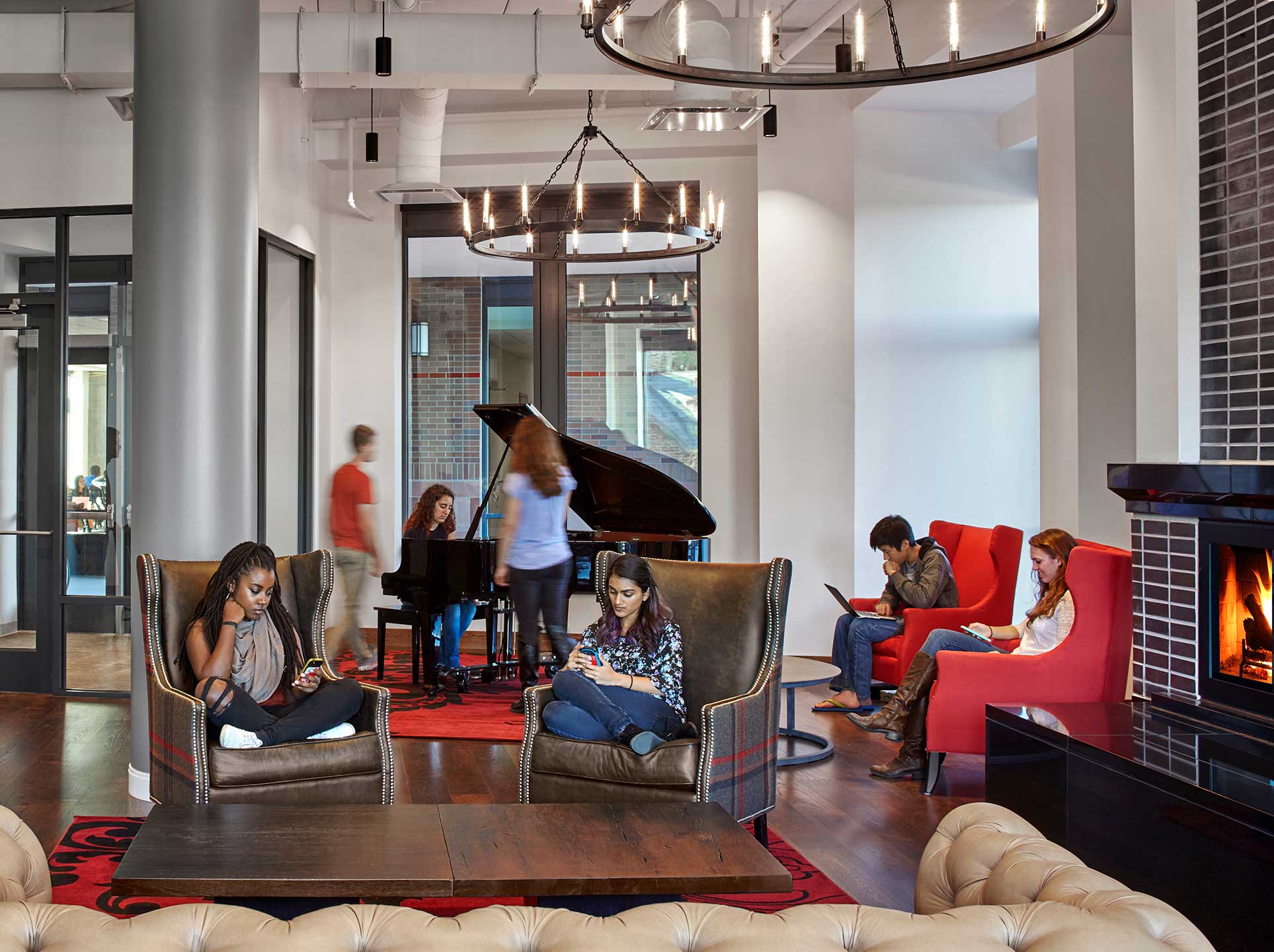
    • Elkus Manfredi designed the interiors to foster community among residents, activating the building’s contemporary classicism with connections to Georgetown’s heritage and integration of biophilia and sustainability.
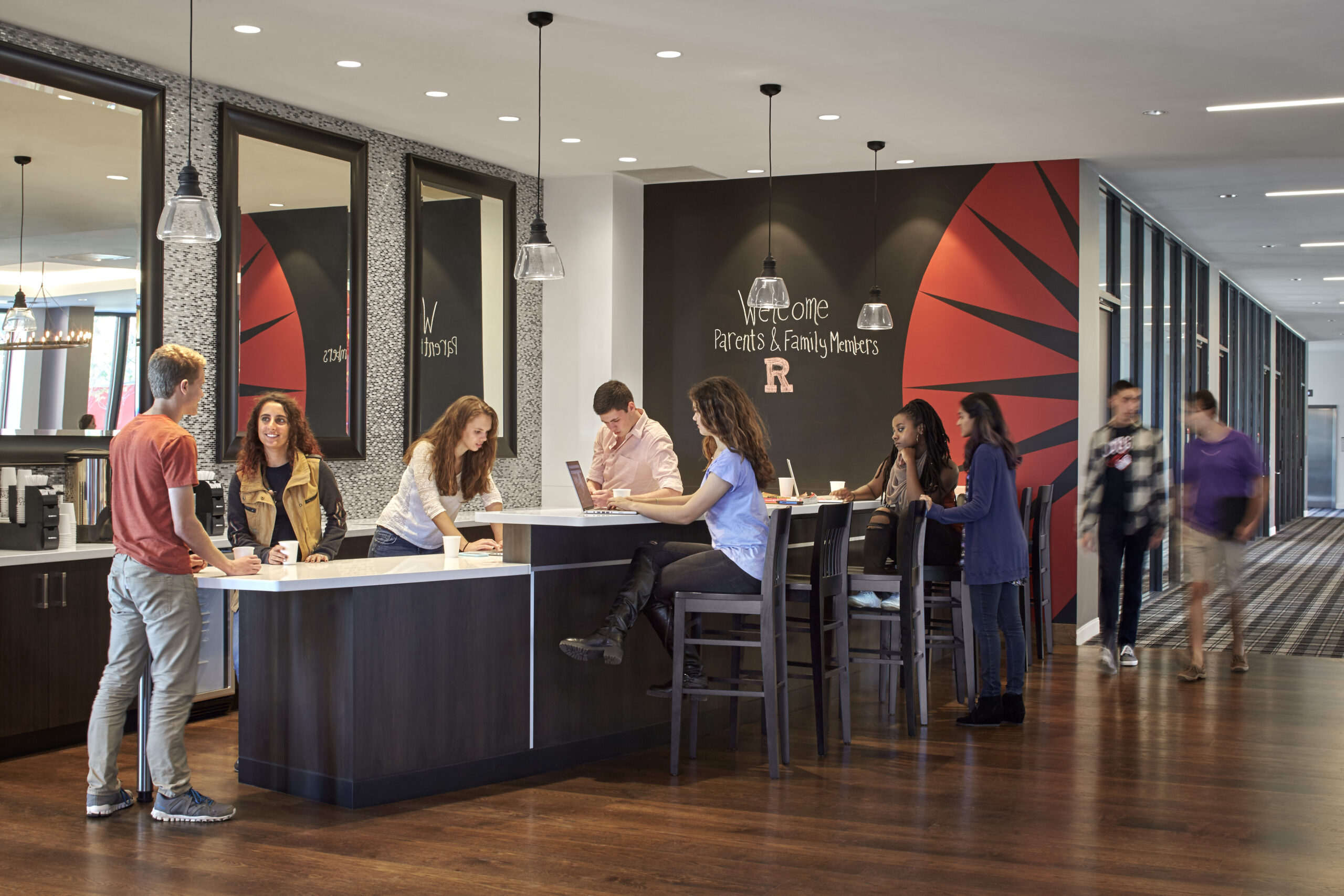
    • The ground floor’s variety of spaces encourages casual community gatherings and chance encounters with a formal seating area, library and game lounge, multifunctional parlor, and group study rooms of various sizes.
    • The building is LEED BD+C NC Platinum certified.

Architecture by RAMSA and Interiors by Elkus Manfredi Architects

Photography by Peter Aaron / OTTO

Project

Alcott

Alcott

Boston, Massachusetts
Client: Equity Residential

Project Description

  • Located in the heart of Boston’s West End neighborhood, Alcott is a 44-story, LEED-NC Gold-certified residential tower.
  • The 530,000-sf project replaced the TD Garden Garage and created a one-acre public park.
  • With a focus on walkability in its dense urban neighborhood, Alcott creates a vital pedestrian link between North Station and the West End through the site.
  • The tower features 470 units – including 17 below-market-rate units – with a mix of studios and one‑ and two-bedroom apartments; more than 20,000 square feet of amenity space; 2,000 square feet of ground-floor retail; and four-story, below-grade parking structure.

Photography by Peter Vanderwarker (exteriors) and Evan Joseph (interiors)

Project

CBRE New England Headquarters

CBRE New England Headquarters

Boston, Massachusetts
Client: CBRE/New England

Project Information

  • This 45,000-sf office is part of CBRE’s Workplace360 initiative, the company’s leading-edge approach to flexible workplace strategy in the ‘heart’ of the office.
  • Diverse space types offer employees choice of work environment and includes a mix of perimeter offices, unassigned workstations, meeting rooms, touchdown stations, and an array of informal connecting areas

Photography © Connie Zhou